If you are searching for a high-protein Greek yogurt cake that is simple, delicious, and made with everyday ingredients, this recipe is an excellent choice. Unlike many protein desserts that depend heavily on supplements, this cake delivers a naturally rich texture thanks to Greek yogurt and eggs. Protein powder is completely optional, making the recipe suitable for anyone who prefers a more natural approach while still enjoying a satisfying protein boost. Whether you need a healthy breakfast, afternoon snack, post-workout treat, or light dessert, this cake offers a wonderful balance of flavor, texture, and nutrition without requiring advanced baking skills or a long list of ingredients.
Why This High-Protein Cake Is Worth Trying
One of the biggest advantages of this healthy Greek yogurt cake recipe is its simplicity. Everything comes together in just a few minutes using basic pantry staples that many home cooks already have available. The preparation requires very little effort, making it perfect for busy weekdays, meal prep sessions, or quick weekend baking. Because the batter is blended until smooth, the finished cake has a soft, moist texture that feels rich while remaining surprisingly light. This recipe also provides flexibility by allowing you to include protein powder if you want extra protein, but it still tastes fantastic without it.
Greek Yogurt Makes This Cake Moist and Protein-Rich
Greek yogurt plays a major role in both the texture and nutrition of this recipe. Compared to regular yogurt, Greek yogurt contains more protein while also creating a creamy consistency that keeps baked goods tender. Instead of relying on large amounts of butter or oil, the yogurt helps produce a moist cake with fewer added fats. Choosing a high-protein Greek yogurt increases the nutritional value even further, making every slice a satisfying option for anyone looking to enjoy healthier homemade desserts. The mild tang from the yogurt also complements the vanilla flavor beautifully without overpowering the sweetness.
A Naturally Balanced Dessert with Simple Ingredients
Many healthy cake recipes require complicated ingredient lists or expensive specialty products. This recipe keeps things refreshingly simple by using ingredients that are easy to find in most grocery stores. Eggs provide structure and protein, flour creates stability, cornstarch contributes to a delicate crumb, and baking soda helps the cake rise gently. Vanilla extract adds warmth and aroma, while your preferred sweetener allows you to adjust the sweetness according to your personal taste. Since every ingredient has an important role, the result is a cake that tastes balanced, soft, and enjoyable without feeling overly heavy.
Perfect for High-Protein Meal Prep
This easy protein cake recipe works especially well for meal preparation. Once baked and cooled, the cake stores nicely in the refrigerator, allowing you to prepare several servings ahead of time. Having healthy homemade desserts readily available makes it easier to avoid processed snacks and sugary treats during busy weeks. Many people enjoy a slice as part of breakfast with fresh fruit, while others serve it after lunch or enjoy it as a satisfying evening dessert. Because it reheats well and keeps its soft texture, it remains delicious even after several days.
Customize the Cake with Your Favorite Toppings
Although the cake is flavorful on its own, adding toppings allows you to create a different experience every time you bake it. Fresh berries provide natural sweetness and vibrant color, while sliced bananas offer extra creaminess. A light dusting of powdered sweetener creates an elegant finish, and a spoonful of additional Greek yogurt makes each slice even creamier. Chopped nuts add crunch, while a drizzle of sugar-free syrup can enhance the dessert without significantly increasing calories. These optional toppings allow everyone to personalize the cake according to individual preferences.
Baking Tips for Soft and Even Results
Achieving a tender cake starts with thoroughly blending the ingredients until completely smooth. A well-mixed batter helps distribute the baking soda evenly, allowing the cake to rise consistently during baking. Preparing the baking pan properly is equally important. Non-stick pans work well, but regular pans should always be lined with parchment paper or lightly coated with cooking spray to prevent sticking. Baking times may vary slightly depending on the pan you choose, so checking for a lightly golden surface and a firm center helps determine when the cake is fully baked.
Choosing the Best Baking Pan
One feature that makes this recipe especially convenient is its flexibility. A traditional round cake pan creates an attractive presentation for serving guests, while a loaf pan produces neat slices ideal for meal prep. Muffin tins allow you to prepare individual portions that are easy to pack for work or school. Since each pan has a different depth, baking times can vary slightly. Shallower pans often bake more quickly, while deeper pans may require a few additional minutes in the oven to cook evenly throughout.
Optional Protein Powder for Extra Nutrition
While this recipe is already naturally rich in protein thanks to the eggs and Greek yogurt, adding protein powder is entirely optional. Those looking to increase protein intake after exercise or during strength training can include half to one scoop without dramatically changing the overall texture. Selecting a vanilla-flavored protein powder often blends well with the existing vanilla extract, creating a smooth flavor profile. If you choose not to add protein powder, the cake still maintains its soft consistency and enjoyable taste, making it suitable for a wide variety of dietary preferences.
Notes for the Best High-Protein Greek Yogurt Cake
For the best texture, use thick Greek yogurt with a high protein content. Blend the batter until smooth to avoid lumps and create an even crumb. Always prepare the baking pan before pouring in the mixture to make removing the finished cake much easier. Baking times can vary depending on the size and type of pan, so begin checking the cake near the 30-minute mark. Allowing the cake to cool slightly before slicing helps it maintain its structure and improves the overall eating experience.
Frequently Asked Baking Questions
Many home bakers wonder whether this recipe can be prepared without protein powder. The answer is yes. Protein powder is completely optional, and the cake remains soft and flavorful without it. Another common question involves the type of Greek yogurt to use. A thick, high-protein Greek yogurt produces the best results because it contributes moisture while maintaining the proper consistency of the batter. People also ask whether different pans can be used, and this recipe adapts well to round cake pans, loaf pans, muffin tins, and other oven-safe baking dishes. Simply adjust the baking time as needed depending on the pan depth.
Why You’ll Love Making This Healthy Greek Yogurt Cake Again
This high-protein Greek yogurt cake recipe combines convenience, nutrition, and great flavor in one easy dessert. It requires minimal preparation, uses familiar ingredients, and delivers a soft, moist texture that appeals to both adults and children. Whether you enjoy it as a healthy snack, post-workout treat, breakfast option, or light dessert, this versatile cake easily fits into many lifestyles. With its balanced ingredients, customizable toppings, and simple baking process, it is a recipe that home bakers can confidently prepare again and again whenever they want a delicious homemade protein dessert.
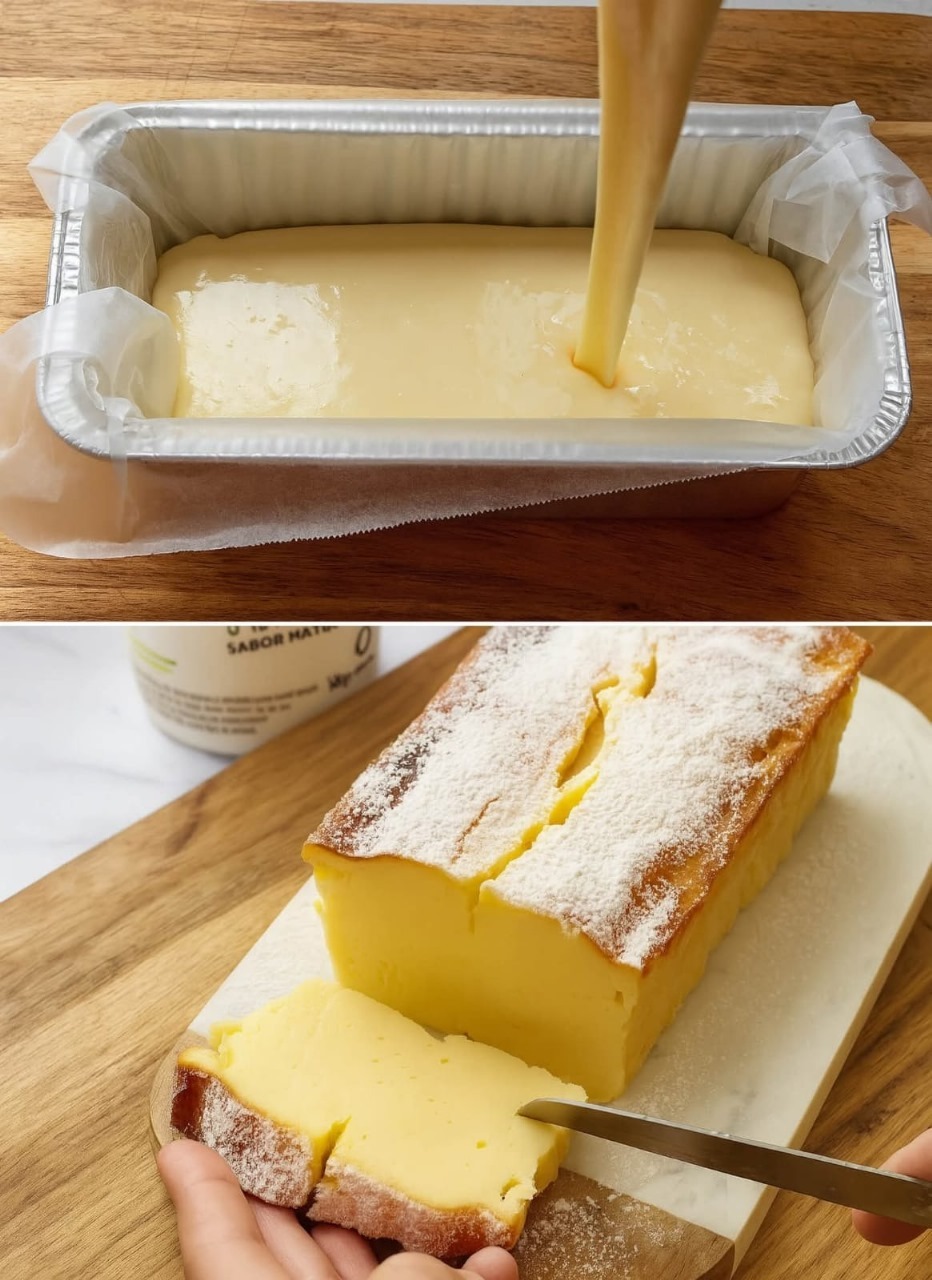
High-Protein Greek Yogurt Cake
This easy High-Protein Greek Yogurt Cake is a soft, moist, and satisfying homemade dessert prepared with simple pantry ingredients. Naturally high in protein from Greek yogurt and eggs, it can also be boosted with optional protein powder. Perfect for breakfast, healthy snacking, meal prep, or dessert.
2
slices5
minutes30
minutes307
kcal35
minutesIngredients
3 Large Whole Eggs
1–2 Tablespoons Sweetener
1 Cup Greek Yogurt (Use a high protein one!)
¼ Cup All Purpose Flour
1½ Teaspoons Vanilla Extract
3 Tablespoons Corn Starch
½ Teaspoon Baking Soda
½–1 Scoop Protein Powder (*Optional)
Directions
- Preheat the oven to 350°F (176°C).
- Add the eggs, sweetener, Greek yogurt, all-purpose flour, vanilla extract, cornstarch, baking soda, and optional protein powder to a mixing bowl or blender.
- Blend or mix thoroughly until the batter becomes smooth and free from lumps.
- Prepare your preferred baking pan. You may use a round cake pan, loaf pan, muffin pan, or another oven-safe baking dish.
- If the pan is not non-stick, line it with parchment paper or lightly coat it with cooking spray.
- Pour the prepared batter evenly into the pan.
- Add any desired toppings before baking if preferred.
- Bake for approximately 30–35 minutes, adjusting slightly depending on the size and depth of the baking pan.
- Remove the cake from the oven once the center is set and the top is lightly golden.
- Allow the cake to cool for several minutes before slicing and serving.
Nutrition Facts
- Calories: 307kcal
- Fat: 9.5g
- Carbohydrates: 28.5g
- Fiber: 0.5g
- Sugar: 3g
- Protein: 27g


