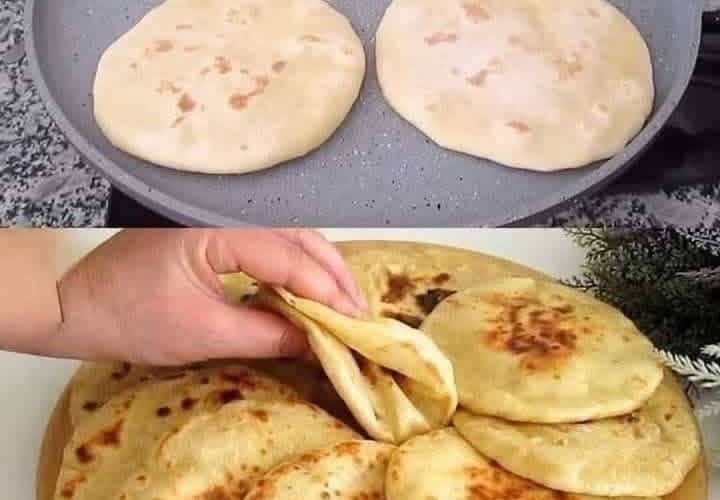
There are times when I want fresh bread on the table without waiting hours for dough to rise. That is exactly why this easy skillet flatbread has become one of my favorite homemade recipes. It is simple, quick, and made with everyday pantry ingredients. Since there is no yeast involved, I can prepare the dough, cook it in a skillet, and enjoy warm flatbread in less than thirty minutes.
This recipe creates soft, tender flatbreads with lightly golden spots and a chewy texture that works well with almost any meal. Whether I am preparing lunch, dinner, or a quick snack, these flatbreads are always a reliable option. They are perfect for wrapping vegetables, serving with soup, or simply enjoying with a drizzle of olive oil.
Unlike traditional bread recipes that require proofing and kneading for long periods, this version comes together with only a few basic ingredients. Flour, baking powder, salt, olive oil, and non-dairy milk or water are all it takes to make delicious homemade flatbread.
Why I Love Making This Flatbread
- Whenever I need fresh bread in a hurry, this recipe is the first one I think of. The dough is easy to prepare, doesn’t require any special equipment, and cooks directly on the stovetop. It is one of those dependable recipes that always turns out well, making it perfect for both beginners and experienced home cooks.
- Another reason I enjoy making this flatbread is its versatility. It fits into so many different meals throughout the week. Sometimes I use it as a side dish, while other times it becomes the main part of lunch by filling it with fresh vegetables and plant-based proteins.
- Because the ingredients are simple and easy to find, I rarely have to plan ahead. Most of the time everything I need is already sitting in my kitchen.
What Makes This Recipe Special
- Many homemade bread recipes depend on yeast to create a soft texture, but this flatbread relies on baking powder instead. That means there is no waiting for dough to rise for hours before cooking.
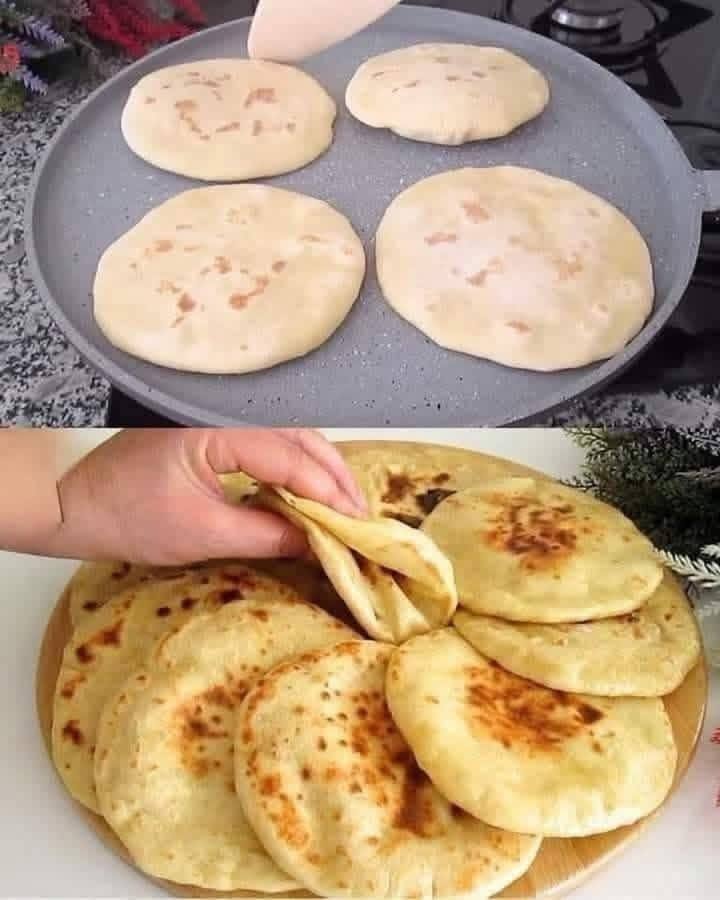
- The result is a soft flatbread with lightly crisp edges and a fluffy interior. As it cooks in the skillet, bubbles begin to appear on the surface, creating beautiful golden brown spots that add both texture and flavor.
- The olive oil keeps the dough tender, while the non-dairy milk gives it a slightly softer and chewier bite. If water is used instead, the flatbread still turns out delicious with only a slight difference in textur
Simple Pantry Ingredients
- One of my favorite things about this recipe is how little it requires. There are no complicated ingredients or specialty products involved.
- The flour forms the base of the dough and provides structure. Baking powder gives the flatbread a light texture without needing yeast. Salt enhances every bite and balances the overall flavor.
- Olive oil adds richness while helping create a soft dough that is easy to handle. Finally, unsweetened non-dairy milk or water brings everything together into a smooth dough that rolls out easily.
- These everyday ingredients work together perfectly to create homemade flatbread that tastes fresh and comforting.
Mixing the Dough
- I always begin by combining the dry ingredients in a large mixing bowl. Mixing them first helps distribute the baking powder and salt evenly throughout the flour.
- In another bowl, I whisk together the olive oil and the non-dairy milk or water. Once mixed, I slowly pour the liquid into the dry ingredients while stirring gently.
- At first, a spoon works perfectly, but as the dough begins to come together, I switch to using my hands. This allows me to feel the texture and make small adjustments if necessary.
- The finished dough should feel soft, smooth, and slightly elastic. It should not stick heavily to my hands, nor should it crumble apart. If it feels too sticky, I sprinkle in a little more flour. If it feels dry, I add a very small amount of water until the consistency is just right.
Resting the Dough
- Although this recipe does not require yeast, allowing the dough to rest for about ten minutes makes a noticeable difference.
- During this short resting time, the flour absorbs the moisture more evenly, making the dough softer and easier to roll. It also helps relax the gluten, preventing the flatbread from shrinking while shaping.
- I simply cover the bowl with a clean kitchen towel and let it sit while I prepare my skillet and lightly flour my work surface.
Rolling Each Flatbread
- Once the dough has rested, I divide it into four equal portions. Rolling each piece into a smooth ball makes shaping much easier.
- Using a lightly floured surface, I gently flatten each dough ball with a rolling pin until it reaches about six inches across and roughly one-quarter inch thick.
- I do not worry about making perfect circles because slightly uneven shapes give homemade flatbread its rustic appearance. Every piece has its own character, which makes the finished batch feel even more homemade.
Cooking on the Skillet
- Cooking the flatbread is my favorite part because the transformation happens quickly.
- I heat a small amount of olive oil in a skillet over medium-low heat before placing one rolled flatbread into the pan.
- Within a few minutes, small bubbles begin to appear across the surface. As the underside cooks, beautiful golden brown spots develop naturally.
- Once the first side is nicely browned, I flip the flatbread and continue cooking the second side until both sides are evenly golden and fully cooked.
- The kitchen quickly fills with the warm aroma of freshly cooked bread, making it difficult to wait before taking the first bite.
Soft, Warm, and Ready to Enjoy
- Fresh from the skillet, the flatbread is wonderfully soft with a tender interior and lightly crisp edges. I usually stack the cooked flatbreads on a plate and cover them with a clean towel to keep them warm while I finish cooking the remaining pieces.
- The texture stays soft enough for wrapping while still being sturdy enough to hold fillings without tearing. Whether served immediately or cooled for later, these homemade flatbreads remain delicious and incredibly satisfying.
Soft Skillet Flatbread Recipe
This easy homemade skillet flatbread is soft, tender, and ready in just 30 minutes. Made with simple pantry staples and no yeast, it is perfect for wraps, sandwiches, pizzas, dipping, or serving alongside soups and curries. The dough comes together quickly and cooks in a hot skillet until beautifully golden with a soft, chewy texture.
4
servings15
minutes15
minutes249
kcal30
minutesIngredients
1½ cups all-purpose flour
1½ teaspoons baking powder
1 teaspoon salt
2 tablespoons olive oil
½ cup unsweetened non-dairy milk or water
Directions
- Whisk flour, baking powder, and salt in a large bowl.
- In a separate bowl, mix olive oil with non-dairy milk or water.
- Add the wet ingredients to the dry ingredients and mix until a soft dough forms. Knead gently with your hands if needed.
- Cover and let the dough rest for 10 minutes.
- Divide the dough into 4 pieces and roll each piece into a thin round flatbread.
- Heat olive oil in a skillet over medium-low heat. Cook each flatbread for 3–4 minutes on each side until golden brown and cooked throu
- Serve warm or store cooled flatbreads in the refrigerator or freezer for later use.
Notes
- Non-dairy milk creates a slightly softer and chewier flatbread, while water also produces excellent results.
- If the dough becomes sticky during mixing, add a little flour until it is easy to handle.
- Avoid cooking over high heat, as the outside may brown before the center is fully cooked.
- Store leftovers in the refrigerator for up to one week
- Freeze cooked flatbreads for several months. Reheat them in a warm skillet or oven before serving.
Nutrition Facts
- Serving Size: 1 g
- Calories: 249kcal
- Fat: 8.1g
- Saturated Fat: -3g
- Trans Fat: -7g
- Cholesterol: 10mg
- Sodium: 598.2mg
- Carbohydrates: 39.5g
- Fiber: 1.6g
- Sugar: 1g
- Protein: 5.2g


