Keto rosemary focaccia bread is a modern take on a traditional Italian favorite, redesigned for those who follow a low-carb, gluten-free, or ketogenic lifestyle. This bread delivers the same golden crust, airy texture, and rich olive oil flavor found in classic focaccia, but without the high carbohydrate content that typically comes from wheat flour. By using nutrient-dense alternatives like almond flour and psyllium husk, this recipe offers a satisfying bread experience that aligns perfectly with keto diet goals while still tasting indulgent and comforting.
Why Keto Focaccia Bread Is So Popular
The rise of keto bread recipes has transformed how people approach baking at home, especially for those who want to reduce carbs without giving up their favorite foods. Keto focaccia stands out because it closely resembles traditional bread in both taste and texture. Unlike many low-carb bread options that can be dense or overly egg-based, this recipe uses yeast to create a light and chewy crumb. This makes it one of the best keto bread alternatives for anyone craving authentic bakery-style results without breaking their diet.
What Makes This Low-Carb Focaccia Unique
This keto rosemary focaccia is not just another gluten-free bread; it is carefully crafted to mimic the qualities of classic Italian focaccia. The use of yeast gives it a natural rise and subtle tang, while olive oil ensures moisture and richness throughout. Fresh rosemary adds a fragrant herbal note that pairs beautifully with the bread’s soft interior and crisp edges. The combination of these elements creates a well-balanced flavor that feels both rustic and refined, making it suitable for everyday meals or special occasions.
The Role of Yeast in Keto Baking
One of the most important aspects of this recipe is the use of active dry yeast. Many people assume yeast cannot be used in keto recipes due to sugar content, but the reality is more nuanced. A small amount of maple syrup, honey, or inulin is added to feed the yeast during activation. The yeast consumes these sugars during fermentation, meaning very little remains in the final bread. This allows you to achieve the classic rise and flavor of traditional focaccia while keeping the carbohydrate count low.
Choosing the Right Ingredients for Success
The success of this keto focaccia bread depends heavily on selecting the right ingredients. Almond flour serves as the primary base, providing a mild, nutty flavor and soft texture. Psyllium husk plays a crucial role in binding the dough and giving it elasticity, which is essential for creating a bread-like structure. Xanthan gum or ground flax seeds further enhance this effect, helping the dough hold together and preventing it from becoming crumbly. Each ingredient works together to replicate the structure of traditional wheat-based dough.
How Texture Is Achieved Without Wheat Flour
Creating a soft and chewy texture without gluten can be challenging, but this recipe manages it effectively through a combination of techniques and ingredients. Psyllium husk absorbs moisture and forms a gel-like consistency, which mimics the elasticity of gluten. Meanwhile, xanthan gum helps stabilize the dough, ensuring it rises properly and maintains its shape. When mixed correctly, these components produce a dough that is thick, pliable, and easy to work with, resulting in a finished bread that feels remarkably close to the real thing.
Mixing and Handling the Dough Properly
Handling keto dough requires a slightly different approach compared to traditional bread dough. The mixture will be thicker and stickier, so using wet hands or a damp spatula is essential for spreading it evenly. Mixing the dough thoroughly and quickly helps activate the binding agents, ensuring a consistent texture throughout. Proper mixing also prevents uneven pockets and helps the bread bake evenly, resulting in a smooth surface and uniform crumb.
The Importance of Proofing in Keto Bread
Proofing is a key step in achieving the ideal texture for keto focaccia bread. After shaping the dough, it needs to rest in a warm, draft-free environment to allow the yeast to activate fully. While the dough will not double in size like traditional bread, it will become noticeably lighter and slightly puffed. This process enhances both the flavor and texture, making the bread softer and more enjoyable to eat. Skipping or shortening this step can lead to a denser result.
Baking Techniques for Perfect Results
Baking keto focaccia requires attention to detail to ensure the best outcome. The oven should be preheated to the correct temperature to promote even cooking. Covering the bread with a foil dome partway through baking helps prevent excessive browning while allowing the interior to cook through. This technique ensures that the crust remains golden and slightly crisp while the inside stays soft and tender. Proper baking is essential for achieving the signature focaccia texture.
Cooling and Setting the Bread
Allowing the bread to cool completely before slicing is an important step that should not be overlooked. As the focaccia cools, it continues to set and develop its final texture. Cutting into it too soon can result in a slightly gummy interior, which may not reflect the true quality of the recipe. Patience during this stage ensures a better crumb and overall eating experience, making the bread easier to slice and more enjoyable to serve.
Serving Ideas for Keto Rosemary Focaccia
This low-carb focaccia bread is incredibly versatile and can be served in many ways. It pairs well with soups, salads, and grilled meats, making it an excellent side dish for a variety of meals. It can also be used as a base for keto sandwiches or served as an appetizer with olive oil and balsamic vinegar. The rosemary and olive oil flavors make it suitable for both casual and elegant dining, allowing it to fit seamlessly into different occasions.
Storage and Reheating Tips
Proper storage helps maintain the freshness and texture of keto focaccia bread. Keeping it in an airtight container at room temperature will preserve its softness for a couple of days. For longer storage, refrigeration can be used, although it may slightly firm up the bread. Reheating slices in a toaster or oven is recommended to restore the original texture and enhance the flavor. This makes it easy to enjoy the bread even after it has been stored.
Health Benefits of Keto Focaccia Bread
One of the main advantages of this recipe is its nutritional profile. With fewer carbohydrates and higher healthy fats, it supports ketogenic and low-carb diets while helping to maintain stable blood sugar levels. Almond flour provides essential nutrients such as vitamin E and healthy fats, while psyllium husk adds dietary fiber that supports digestion. This combination makes the bread not only delicious but also a healthier alternative to traditional focaccia.
Common Mistakes and How to Avoid Them
There are a few common mistakes that can affect the outcome of keto focaccia bread. Using water that is too hot or too cold when activating the yeast can prevent proper fermentation. Not mixing the dough thoroughly can lead to uneven texture, while skipping the resting time can result in dense bread. Paying attention to these details and following each step carefully will help ensure consistent and successful results every time you make this recipe.
Notes for Best Results and Variations
For the best results, always use fresh, high-quality ingredients, especially yeast and olive oil. If xanthan gum is not available, ground flax seeds can be used as an alternative, though the texture may vary slightly. You can also experiment with additional toppings such as olives, garlic, or sun-dried tomatoes to create different flavor variations. Keeping your hands moist when handling the dough makes it easier to shape and prevents sticking, improving the overall baking experience.
Why This Recipe Works for Keto and Gluten-Free Diets
This keto rosemary focaccia bread is specifically designed to meet the needs of those following gluten-free and low-carb diets without sacrificing flavor or texture. The carefully selected ingredients and techniques ensure that the bread remains soft, airy, and satisfying. By combining traditional baking methods with modern dietary adaptations, this recipe successfully bridges the gap between health-conscious eating and classic comfort food.
A Reliable Choice for Homemade Keto Bread
For anyone looking to recreate the experience of fresh, homemade bread while staying within keto guidelines, this recipe is a reliable and rewarding choice. It offers a balance of flavor, texture, and nutrition that is often difficult to achieve in low-carb baking. Whether you are new to keto cooking or experienced in gluten-free baking, this rosemary focaccia provides a dependable way to enjoy bread again without compromise.
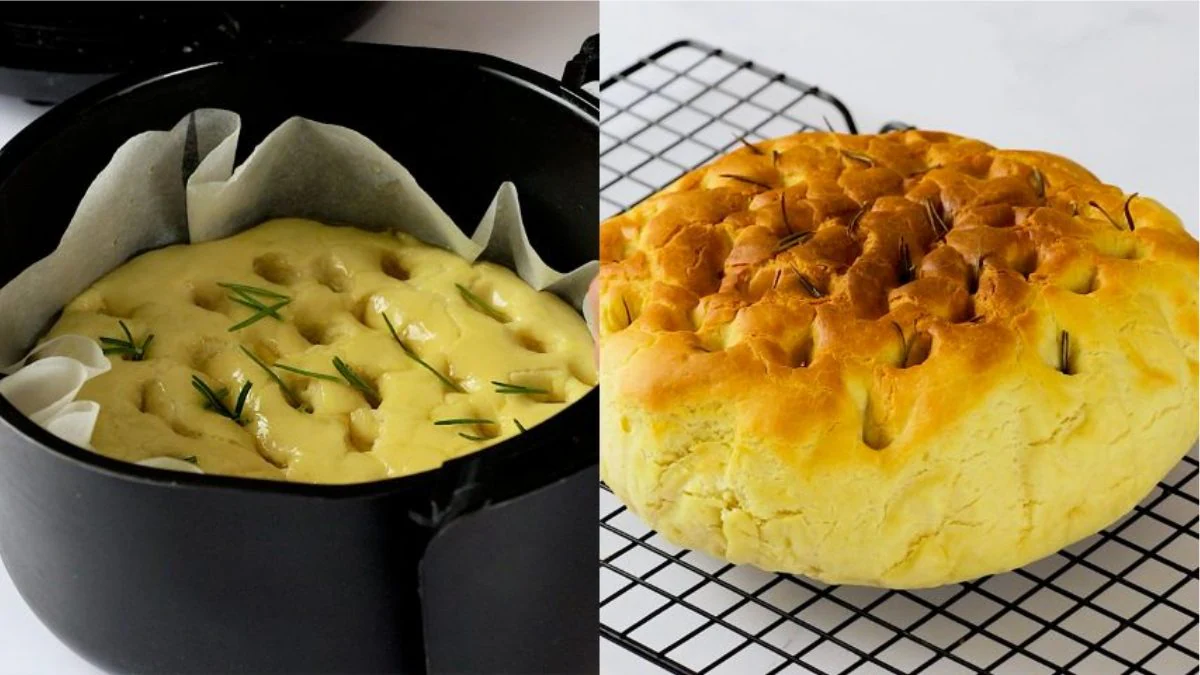
Keto Rosemary Focaccia
A soft, chewy, and flavorful keto focaccia bread made with almond flour and fresh rosemary. This low-carb, gluten-free bread delivers authentic Italian taste with a perfectly golden crust and airy texture.
9
slices15
minutes30
minutes125
kcal1
hour1
hour10
minutesIngredients
- For the Dough
Active dry yeast (2 teaspoons)
Maple syrup, inulin, or honey (2 teaspoons, used to activate yeast)
Warm water, 105–110°F (80 ml)
Almond flour (144 grams)
Finely ground psyllium husk (28 grams)
Xanthan gum (1½ teaspoons) or ground flax seeds (1 tablespoon)
Baking powder (1½ teaspoons)
Kosher salt (½ teaspoon)
Whole egg, room temperature (1)
Egg whites, room temperature (2)
Extra virgin olive oil (13 grams)
Apple cider vinegar (2 teaspoons)
- For Topping
Fresh rosemary sprigs
Extra virgin olive oil (for drizzling)
Flaky sea salt
Directions
- In a large bowl, combine the yeast and maple syrup. Pour in warm water (not too hot) and cover. Let it sit for about 7 minutes until bubbly.
- In a separate bowl, whisk together almond flour, psyllium husk, xanthan gum (or flax seeds), baking powder, and salt until well blended.
- Once the yeast mixture is ready, add the egg, egg whites, olive oil, and apple cider vinegar. Mix until light and slightly frothy.
- Gradually add the dry ingredients in two batches, mixing thoroughly until a thick dough forms.
- Line a baking dish or skillet with parchment paper and lightly grease with olive oil.
- Using wet hands or a spatula, spread the dough evenly. Create small indentations across the surface.
- Add rosemary sprigs into the indentations and on top, drizzle with olive oil, and sprinkle flaky sea salt.
- Cover and let the dough rest in a warm place for about 1 hour until slightly puffy.
- Preheat the oven to 350°F (180°C), or 375°F (190°C) if baking at high altitude.
- Bake for 25–30 minutes. After 10 minutes, loosely cover with foil to prevent over-browning.
- Remove from oven and allow to cool completely before slicing for best texture.
Nutrition Facts
- Calories: 125kcal
- Fat: 9g
- Cholesterol: 18mg
- Carbohydrates: 6g
- Sugar: 3g
- Protein: 4g


