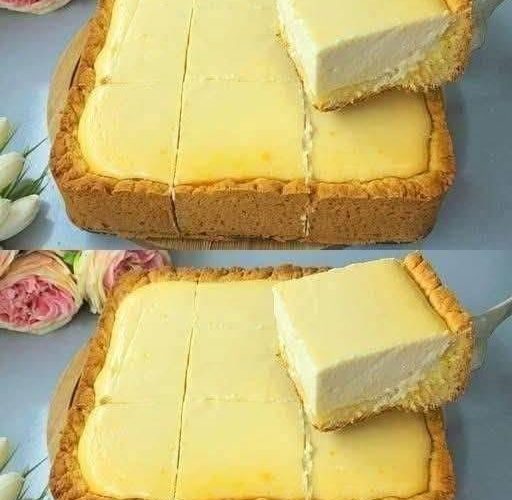
Torta della Nonna, which means “Grandmother’s Cake,” is one of those Italian desserts that feels comforting from the first bite. It is made with a buttery pastry, a soft vanilla pastry cream, fresh lemon zest, and a small scattering of pine nuts over the top. Once baked and finished with powdered sugar, it has a simple appearance, but the combination of textures and flavors makes it feel special.
What I like most about making this tart at home is that there is nothing complicated about the ingredients. The important part is taking a little care with each stage. The pastry needs to stay cold and tender, the pastry cream needs to be smooth and properly cooked, and the tart needs enough time to cool before slicing.
The finished dessert has a golden, delicate crust surrounding a creamy vanilla center. The lemon zest adds just enough freshness to balance the butter and sugar, while the pine nuts give the top a light crunch.
It is the kind of dessert that works just as well after a family meal as it does with a cup of coffee in the afternoon.
What Makes Torta della Nonna Special?
- There are two main parts to this tart: the pastry and the pastry cream. Both are fairly simple, but they need to be prepared separately before they are brought together.
- The pastry is rich and buttery, but it should not be hard or heavy. Cold butter helps create the crumbly texture, while gentle mixing keeps the finished crust tender.
- The pastry cream is smooth, sweet, and fragrant with vanilla. Egg yolks give it richness, while flour helps it thicken. Fresh lemon zest in the pastry adds a subtle citrus aroma that keeps the dessert from tasting too rich.
- The pine nuts are a traditional finishing touch. They become lightly toasted in the oven and add a pleasant contrast to the soft custard underneath.
Ingredients at a Glance
- For the filling, I use whole milk, vanilla extract, egg yolks, granulated sugar, and all-purpose flour. Whole milk gives the pastry cream a fuller texture, while the egg yolks make it rich and smooth.
- For the crust, the ingredients are all-purpose flour, fresh lemon zest, baking powder, salt, cold unsalted butter, granulated sugar, one whole egg, and one egg yolk.
- The topping is kept simple with pine nuts and powdered sugar.
- There is no need for extra flavorings or complicated decorations. The classic combination is enough.
Start With the Milk
- I begin with the pastry cream because it needs time to cool before the tart is assembled.
- Pour the whole milk into a medium saucepan and add the vanilla extract. Warm it over medium-low heat. The milk should become hot, but there is no need to bring it to a strong boil.
- While the milk is heating, I prepare the egg mixture.
Whisk the Egg Yolks and Sugar
- In a separate bowl, whisk the egg yolks and granulated sugar together until the mixture looks smooth and slightly lighter.
- Add the flour and whisk again until it is completely incorporated. Taking a moment to remove any flour lumps at this stage makes it much easier to get a smooth pastry cream later.
Add the Warm Milk Slowly
- This is one step where it is worth slowing down.
- Gradually pour the warm milk into the egg mixture while whisking continuously. I add it slowly rather than pouring everything in at once. Constant whisking helps keep the eggs from cooking too quickly and gives the mixture an even texture.
- Once all of the milk has been incorporated, pour everything back into the saucepan.
Cook Until Thick
- Place the saucepan over medium heat and stir continuously.
- At first, the mixture will seem quite thin. As it heats, it will gradually begin to thicken. Keep stirring, especially around the bottom and edges of the saucepan, so the cream does not stick.
- Once the pastry cream becomes thick and begins to gently bubble, continue cooking for about one minute.
- The cream should look smooth and substantial rather than runny.
- Transfer it to a clean bowl immediately. Place plastic wrap directly against the surface of the pastry cream. This prevents a skin from forming while it cools.
- Set it aside and allow it to cool completely.
Part 2: Preparing the Pastry
Keep Everything Cool
- For this type of pastry, cold butter is important. I avoid letting the butter sit out for too long before starting.
- In a large bowl, combine the all-purpose flour, fresh lemon zest, baking powder, and a small pinch of salt.
- Add the cold unsalted butter, cut into small pieces.
Work the Butter Into the Flour
- Rub the butter into the flour mixture using your fingertips until it resembles fine crumbs.
- The mixture should look sandy and crumbly, with the butter distributed throughout the flour.
- There is no need to knead it like bread dough. In fact, overworking the mixture can make the pastry firm instead of tender.
Add the Sugar and Eggs
- Add the granulated sugar, whole egg, and egg yolk.
- Mix gently until the ingredients come together into a soft dough. As soon as the dough holds together, stop mixing.
- Shape it into a flat disc and wrap it. Refrigerate for about one hour.
- This chilling time makes the dough easier to roll and helps it hold its shape during baking.
Part 3: Getting the Tart Ready
Prepare the Pine Nuts
- Preheat the oven to 350°F (180°C).
- Lightly grease a 10-inch (25 cm) tart pan with a removable bottom.
- Once the dough has chilled, divide it into two portions. I keep one portion slightly larger because it will form the base and needs enough dough to cover the bottom and sides of the pan.
Roll Out the Base
- Roll out the larger piece of dough carefully.
- If the dough feels firm after chilling, give it a little time to become workable, but avoid letting it become warm and soft.
- Transfer the rolled dough to the tart pan and gently press it into the bottom and edges.
- Try not to stretch the dough while fitting it into the pan. A gentle touch helps prevent it from shrinking during baking.
- Trim away any excess pastry around the edges.
Add the Pastry Cream
- Make sure the pastry cream has cooled completely before using it.
- Spread it evenly over the pastry base. I use a spatula to smooth the surface so that the filling reaches the edges without disturbing the crust.
- The cooled filling is important here. Warm pastry cream can soften the dough and make the tart more difficult to assemble.
Part 4: Covering the Tart
- Roll out the remaining portion of pastry.
- Carefully place it over the pastry cream. Work gently because the dough is delicate.
- Press the edges together to seal the tart, then remove any excess pastry around the rim.
- Make a small opening in the center of the top crust. This gives steam from the filling a place to escape while the tart bakes.
- Drain the soaked pine nuts and scatter them over the top.
- At this point, the tart is ready for the oven.
Part 5: Baking
- Place the tart in the preheated oven and bake for approximately 40 minutes.
- The crust should become lightly golden. It does not need to become deeply brown.
- Keep an eye on it toward the end of the baking time. The goal is a tender pastry with a nicely baked exterior rather than an overly dark crust.
- When it is done, remove the tart from the oven and place it on a cooling rack.
- Allow it to cool completely before removing it from the pan.
Part 6: Finishing the Tart
- Once the tart has cooled, remove it carefully from the pan.
- Dust the surface generously with powdered sugar just before serving.
- The powdered sugar is more than decoration. It gives the finished tart its traditional, simple appearance and adds a little extra sweetness without covering up the vanilla and lemon flavors.
- Torta della Nonna can be served chilled or at room temperature.
A Few Things I Keep in Mind
- Keep the Dough Cold
- Cold butter and chilled dough are two of the easiest ways to improve the pastry. If the dough becomes warm and difficult to handle, chilling it again is better than adding lots of extra flour.
- Do Not Overwork the Pastry
- Once the dough comes together, stop mixing. Too much handling can make the crust firm.
- Stir the Pastry Cream Constantly
- The pastry cream thickens quickly toward the end of cooking. Continuous stirring helps prevent lumps and keeps the bottom from catching.
- Cool the Filling Completely
- The pastry cream should be completely cool before it goes into the pastry shell. This keeps the dough from becoming soft during assembly.
- Soak the Pine Nuts
- A short soak helps keep the pine nuts from browning too much before the tart itself is properly baked.
- Do Not Overbake
- A simple dusting of powdered sugar is all this tart really needs.
- I like serving slices with fresh espresso or coffee. The bitterness of coffee works particularly well with the sweet vanilla pastry cream.
- For a more elaborate dessert, the tart can also be served with fresh berries, berry compote, whipped cream, or mascarpone cream.
- The additional accompaniments are optional. The tart is already complete on its own.
- Storing the Tart
- Once baked, Torta della Nonna should be covered and stored in the refrigerator because of the pastry cream filling.
- It keeps well for several days, with the custard remaining smooth and flavorful. For the best texture, allow a chilled slice to sit briefly before serving if you prefer it closer to room temperature.
- Freezing is not recommended because the pastry cream can change texture after freezing and thawing.
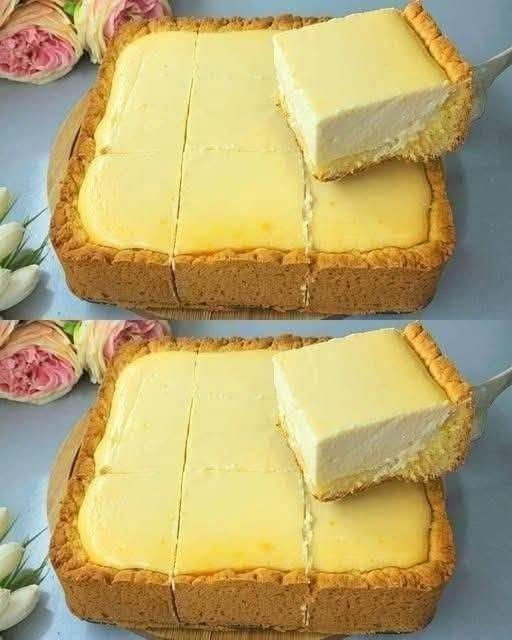
Gluten Free Torta Della Nonna
 Recipe by admin1
Torta della Nonna is a classic Italian tart made with a tender buttery pastry crust and smooth vanilla pastry cream. Fresh lemon zest adds a light citrus aroma, while pine nuts give the top a delicate crunch. The tart is finished with powdered sugar and can be served chilled or at room temperature.
12
servings30
minutes40
minutes300
kcal1
hour10
minutesIngredients
2½ cups (590 ml) whole milk
2 teaspoons vanilla extract
4 large egg yolks
¾ cup (150 g) granulated sugar
¼ cup (30 g) all-purpose flour
2½ cups (300 g) all-purpose flour
1 teaspoon fresh lemon zest
¾ teaspoon baking powder
Small pinch of salt
6 ounces (170 g) cold unsalted butter, cut into small pieces
⅔ cup (130 g) granulated sugar
1 whole egg
1 egg yolk
1 tablespoon pine nuts
Powdered sugar, for dusting
Directions
- Heat milk and vanilla until hot. Whisk egg yolks, sugar, and flour; slowly add warm milk.
- Cook, stirring constantly, until thick and gently bubbling. Cool completely.
- Mix flour, lemon zest, baking powder, salt, and cold butter until crumbly. Add sugar, egg, and egg yolk to form dough. Chill 1 hour.
- Preheat oven to 350°F (180°C). Soak pine nuts for 5 minutes and drain.
- Roll out most of the dough and fit into a greased 10-inch tart pan. Fill with cooled pastry cream.
- Cover with remaining dough, seal edges, make a small center opening, and sprinkle with pine nuts.
- Bake for 40 minutes, until lightly golden. Cool completely, dust with powdered sugar, and serve.
Notes
- Cook milk and vanilla until hot. Whisk egg yolks, sugar, and flour, then gradually whisk in the warm milk. Cook until thick. Cool completely.
- Mix flour, lemon zest, baking powder, salt, and butter until crumbly. Add sugar, egg, and egg yolk to form a dough. Chill for 1 hour.
- Heat oven to 350°F (180°C). Roll out most of the dough and fit into a greased tart pan.
- Spread the cooled pastry cream over the crust. Cover with the remaining dough and seal the edges.
- Make a small opening in the center, add soaked and drained pine nuts, and bake for 40 minutes.
- Cool completely, dust with powdered sugar, and serve.
Nutrition Facts
- Serving Size: 1 g
- Total number of serves: 12
- Calories: 323kcal
- Fat: 15g
- Saturated Fat: 8g
- Cholesterol: 144mg
- Sodium: 29mg
- Carbohydrates: 42g
- Fiber: 1g
- Sugar: 24g
- Protein: 6g
- Iron: 1mg


