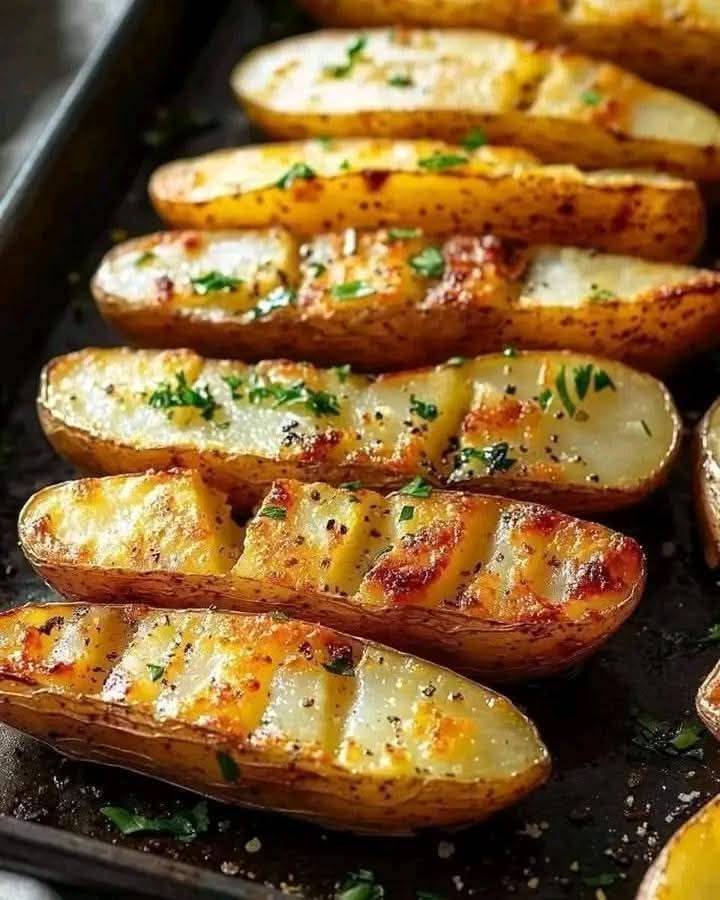
Baked potatoes are one of those recipes that fit almost any meal. They can be served as a comforting side dish or turned into a filling main course with a few simple toppings. The best part is that the preparation is easy, the ingredients are minimal, and the results are consistently satisfying.
I like making baked potatoes at home because they require very little hands-on work. Once the potatoes are cleaned and placed in the oven or air fryer, they cook on their own while I prepare the rest of the meal. The outside becomes lightly crisp, while the inside turns soft, fluffy, and easy to mash with a fork.
Whether I am preparing dinner for my family or looking for a quick weekend meal, this recipe never disappoints. It works well with both Russet and Yukon Gold potatoes, giving slightly different textures while remaining equally delicious.
Why This Recipe Is Worth Making
Homemade baked potatoes are inexpensive, filling, and extremely versatile. A single potato can be customized with different toppings depending on the occasion.
Some days I simply add butter and a little salt. Other times I turn them into loaded baked potatoes with cheese, sour cream, bacon bits, and chopped chives. They also pair perfectly with grilled meats, roasted vegetables, soups, or chili.
Because the preparation is uncomplicated, this recipe is suitable for beginners as well as experienced home cooks.
Choosing the Best Potatoes
The type of potato makes a noticeable difference in the final texture.
Russet Potatoes
Russet potatoes are often the preferred choice because they contain more starch. During baking, the starch creates a light and fluffy interior while the skin becomes crisp.
They are ideal when you enjoy traditional baked potatoes with plenty of toppings.
Yukon Gold Potatoes
Yukon Gold potatoes have a naturally creamy texture. Their flesh stays slightly denser after baking, creating a rich, buttery taste without adding extra ingredients.
Both varieties bake beautifully, so the choice simply depends on personal preference.
Preparing the Potatoes
Before baking, I always wash each potato thoroughly under cold running water. Since the skin is eaten, removing every bit of dirt is important.
After washing, I dry each potato well with a kitchen towel. Dry skin helps create a crisp exterior during baking.
Using a fork, I pierce each potato several times. These small holes allow steam to escape during cooking, preventing the potatoes from bursting in the oven or air fryer.
Adding Oil and Salt
Although this step is optional, I almost always coat each potato lightly with olive oil or melted butter.
The thin layer of fat helps the skin become golden and crisp while adding extra flavor.
After coating, I sprinkle salt over the surface. As the potatoes bake, the salt creates a lightly seasoned crust that tastes wonderful even without toppings.
Oven Baking Method
When using the oven, I preheat it to 200°C (400°F).
The potatoes are placed directly on the oven rack or arranged on a baking tray. Placing them directly on the rack allows hot air to circulate more evenly around the potatoes, helping the skins become crisp.
Depending on their size, baking usually takes between 45 and 60 minutes.
Halfway through cooking, I turn each potato so both sides cook evenly.
The potatoes are finished when a fork slides easily into the center without resistance.
Air Fryer Method
The air fryer is an excellent option when making fewer potatoes.
After preheating to 200°C (390°F), I place the potatoes in a single layer inside the basket.
Leaving a little space between each potato allows the hot air to circulate properly.
Cooking generally takes 35 to 45 minutes.
Turning the potatoes halfway through cooking helps them brown evenly.
The finished potatoes should have crisp skin with soft, fluffy centers.
Checking for Doneness
There are several easy ways to know when baked potatoes are ready.
The simplest method is inserting a fork into the center. If it slides in easily, the potato is fully cooked.
Another method is gently squeezing the potato with an oven mitt. A finished potato feels soft without being mushy.
Avoid removing them too early, as undercooked potatoes remain firm in the middle.
Opening the Potatoes
Once baked, I let the potatoes rest for a minute or two.
Using a knife, I make a lengthwise cut across the top.
Then I gently press both ends toward the center. This opens the potato naturally while fluffing the soft interior.
Using a fork, I lightly loosen the inside before adding toppings.
This simple step makes every bite light and airy.
Favorite Topping Ideas
One of the reasons baked potatoes are so popular is the endless topping combinations.
For a classic version, I add:
- Butter
- Sour cream
- Chopped chives
For something heartier, I use:
- Butter
- Shredded cheddar cheese
- Bacon bits
- Sour cream
If serving them as a complete meal, I top them with:
- Warm chili
- Melted cheese
- Green onions
For a lighter option, steamed vegetables work wonderfully alongside a little butter.
Every topping blends perfectly with the fluffy potato.
Serving Suggestions
Baked potatoes complement many homemade meals.
They pair well with grilled chicken, roasted beef, baked fish, barbecue dishes, soups, salads, or vegetable casseroles.
When entertaining guests, I sometimes arrange several topping bowls so everyone can build their own loaded baked potato.
This simple idea makes dinner both interactive and enjoyable.
Helpful Tips for Better Results
Always choose potatoes that are similar in size so they cook evenly.
Avoid wrapping potatoes in aluminum foil if crispy skin is desired. Foil traps moisture, resulting in softer skin.
Dry potatoes thoroughly before applying oil.
Turn the potatoes halfway through baking for even browning.
Serve immediately after baking while the inside remains fluffy.
Flavor Variations
Although the basic recipe is delicious, small seasoning changes create different flavors.
Before baking, sprinkle the potatoes with:
- Garlic powder
- Paprika
- Mixed herbs
These seasonings lightly flavor the skin without overpowering the natural potato taste.
Storing Leftovers
If potatoes remain after dinner, allow them to cool completely before refrigerating.
Store them in an airtight container.
They stay fresh for several days.
To reheat, place them back in the oven or air fryer until heated through. Brushing lightly with oil helps restore crisp skin.
Avoid microwaving if possible, as it softens the exterior.
Why This Recipe Is Reliable
This baked potato recipe succeeds because it relies on a few simple techniques rather than complicated ingredients.
Cleaning the potatoes well, drying them thoroughly, piercing the skin, and baking at the correct temperature all contribute to perfectly cooked potatoes.
Whether served with butter alone or loaded with hearty toppings, they remain one of the easiest comfort foods to prepare at home.
With minimal effort and familiar ingredients, these baked potatoes deliver crispy skin, soft centers, and countless serving possibilities, making them a dependable recipe for everyday meals.


