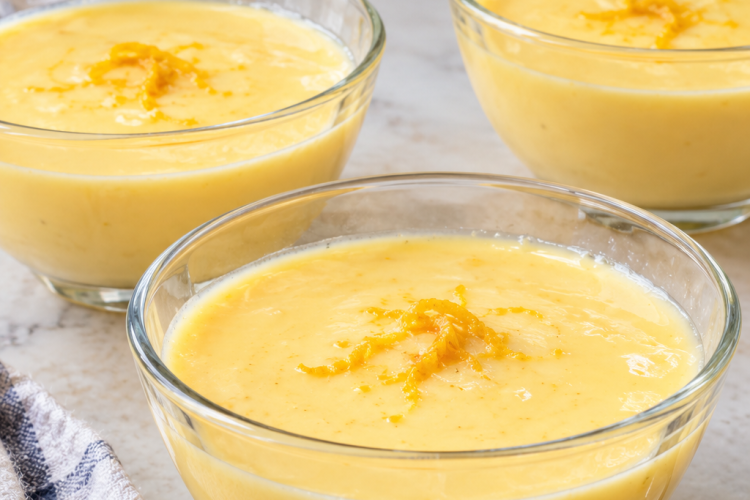
Keto custard is a delicious choice for anyone who enjoys creamy desserts while following a low-carbohydrate lifestyle. Made with eggs, heavy cream, a keto-friendly sweetener, and vanilla extract, this easy baked custard delivers a rich texture and a delicate sweetness without relying on traditional sugar. Each serving contains approximately 2 grams of net carbohydrates according to the supplied nutritional information, making it a dessert worth considering for a ketogenic meal plan.
One of the best things about homemade keto custard is its simplicity. You do not need complicated equipment, unusual ingredients, or advanced baking skills to prepare it. A mixing bowl, a whisk, four small ovenproof ramekins, and a baking dish are enough to get started. The ingredients combine to create a smooth custard that feels elegant enough for a dinner party but remains easy to prepare for an everyday dessert.
Vanilla gives this low-carb custard its familiar, comforting flavor, while heavy cream creates its rich consistency. Eggs help the mixture set during baking, producing a tender texture that is soft enough to enjoy with a spoon. Whether served slightly warm or thoroughly chilled, this sugar-free custard offers a satisfying way to finish a meal without preparing a complicated dessert.
What Makes This Keto Vanilla Custard Special?
A dessert with fewer carbohydrates
Traditional custard recipes often contain regular sugar, which can significantly increase their carbohydrate content. This keto custard recipe uses allulose or monk fruit sweetener instead, allowing you to enjoy a sweet dessert while keeping the carbohydrate count relatively low. The supplied nutrition estimate lists 4 grams of total carbohydrates and 2 grams of fiber per serving, resulting in approximately 2 grams of net carbs.
Net carbohydrates are commonly calculated by subtracting fiber from total carbohydrates. However, nutrition figures can vary depending on the brands of ingredients you use, the sweetener selected, and the serving size. For the most accurate information, check the labels on your specific ingredients and calculate the nutritional values accordingly.
Rich, creamy texture without complicated techniques
A good baked custard should be smooth, delicate, and creamy rather than rubbery or grainy. Heavy cream provides the richness that makes every spoonful feel indulgent, while the eggs give the mixture enough structure to set in the oven. Baking the ramekins in a water bath helps the custard cook more gently, reducing the risk of uneven heating and improving the final texture.
This method is particularly useful for home bakers because it provides more control over the cooking process. Instead of exposing the custard directly to intense heat, the surrounding hot water helps distribute warmth around the individual ramekins. The result is a dessert with a tender consistency and a simple, elegant appearance.
Made with everyday ingredients
Another advantage of this easy keto dessert is that its ingredient list is short. Eggs, heavy cream, a suitable granulated sweetener, and vanilla extract are all you need for the main custard mixture. A small amount of salt can also be used to balance the sweetness and enhance the vanilla flavor, although it is not listed in the supplied recipe-card quantities.
Because the recipe relies on a few basic ingredients, their quality matters. Fresh eggs, good-quality vanilla extract, and a heavy cream that suits your dietary needs will help create a more flavorful result. Choosing the correct sweetener is equally important because different sugar alternatives can behave differently in recipes.
Ingredients for Homemade Keto Custard
Eggs
Eggs are essential for creating the structure of baked custard. As they heat, their proteins coagulate and help the liquid mixture become a soft, spoonable dessert. The recipe uses three large eggs to prepare four servings. Room-temperature eggs are recommended because they mix more easily with the cream and sweetener, helping the ingredients combine evenly before baking.
For the smoothest result, crack the eggs into a separate bowl first and check for shell fragments before adding them to the other ingredients. Whisk the mixture thoroughly, but avoid creating excessive foam. Too much air can leave unwanted bubbles on the surface of the finished custard.
Heavy cream
Heavy cream is responsible for the custard’s rich flavor and velvety mouthfeel. Two cups are used for the four-serving recipe, giving each portion a creamy consistency without requiring flour or cornstarch as a thickener. Heavy cream is sometimes called double cream or thickened cream, depending on the country and product.
For the best mixing results, allow the cream to approach room temperature before combining it with the eggs. If you are following a ketogenic diet, check the product label for carbohydrate information and make sure the cream fits your individual dietary requirements.
Allulose or monk fruit sweetener
The recipe calls for one-quarter cup of granulated allulose or monk fruit sweetener. Both are commonly used as alternatives to ordinary sugar in low-carb baking, although the sweetness and performance of different products can vary. Choose a granulated product intended for baking and follow its label when determining whether a substitution is suitable.
Some monk fruit sweeteners contain other ingredients, such as erythritol, while others use different blends. These formulations can affect sweetness, aftertaste, and texture. If you have a preferred keto sweetener, use one that you already know works well in creamy desserts, keeping in mind that a direct substitution may not produce identical results.
Vanilla extract
Vanilla extract provides the main flavor in this simple dessert. One tablespoon gives the cream-based mixture a noticeable vanilla aroma that complements the richness of the eggs and cream. Pure vanilla extract is a good option when available, but other suitable vanilla extracts can also be used.
For a balanced flavor, measure the vanilla rather than pouring it directly into the bowl. Too little may leave the custard tasting plain, while a strong extract can become overpowering. The suggested quantity provides a distinct vanilla character without requiring additional flavorings.
Salt
A pinch of salt can enhance the sweetness and help balance the rich dairy flavor. Salt is mentioned in the original ingredient guidance but is not included in the supplied recipe card’s measured ingredient list. If you choose to use it, keep the amount small so it complements rather than dominates the vanilla custard.
How to Make Keto Custard in the Oven
Step 1: Prepare the oven and ramekins
Preheat your oven to 350°F (180°C). Lightly grease four ovenproof ramekins measuring approximately 2 to 3 inches, then arrange them inside a large baking dish. Choose a dish deep enough to hold the ramekins and the hot water required for the water bath. Preparing everything before mixing the custard makes it easier to transfer the mixture without unnecessary delays.
If your ramekins vary in size, arrange them so they sit securely in the baking dish without touching or tipping. Lightly coating the inside with a suitable cooking fat can help the custard release more easily when serving, although many people prefer to eat it directly from the ramekin.
Step 2: Whisk the custard ingredients
Place the three eggs, two cups of heavy cream, one-quarter cup of allulose or monk fruit sweetener, and one tablespoon of vanilla extract in a large mixing bowl. Whisk until the sweetener is distributed and the mixture looks uniform. The aim is to combine everything smoothly rather than whip the mixture into a frothy foam.
If your sweetener dissolves slowly, whisk for a little longer and check that no concentrated pockets remain at the bottom of the bowl. A hand mixer or blender can help if the mixture is difficult to combine, but use a gentle approach to avoid incorporating too much air. A smooth mixture before baking is one of the most useful steps for achieving an even texture.
Step 3: Divide the mixture evenly
Carefully pour the custard mixture into the prepared ramekins, distributing it as evenly as possible. Leave a little space at the top of each dish to make handling easier. Dividing the mixture consistently helps the individual portions cook at a similar rate, particularly when the ramekins are the same size.
If bubbles appear on the surface, let the mixture rest briefly before baking. You can also gently tap the ramekins against a stable work surface to encourage larger air bubbles to rise. Avoid spilling the mixture on the outside of the ramekins, as this can make the finished portions look less tidy.
Step 4: Prepare a hot-water bath
Bring approximately two to four cups of water to a boil in a kettle or saucepan. Carefully pour the hot water into the large baking dish around the ramekins until the water reaches about one inch up their sides. Pour slowly to avoid splashing water into the custard mixture.
A water bath, sometimes called a bain-marie, is an important part of this baking method. The water moderates the heat surrounding the ramekins and encourages the custard to cook gently. This helps reduce the chance of overcooked edges and an uneven center, both of which can affect the creamy texture of a baked egg custard.
Step 5: Bake until the custard sets
Place the baking dish carefully in the preheated oven and bake for approximately 30 minutes. The custard should become mostly firm on top while retaining a tender, creamy consistency. Since ovens and ramekin dimensions differ, use the suggested time as a guide rather than assuming every batch will finish at exactly the same moment.
Avoid leaving the custard in the oven longer than necessary, as excessive cooking can cause a firmer texture or small curdled areas. If the centers remain very liquid, continue baking briefly and check again. For a more precise food-safety check, use a suitable food thermometer and follow trusted guidance for safely cooked egg dishes.
Step 6: Cool and serve
Remove the baking dish carefully from the oven, taking extra care because the water will be extremely hot. Lift the ramekins out once it is safe to handle them, then allow the custard to cool. You can enjoy it warm for a soft, comforting dessert or refrigerate it until thoroughly chilled for a firmer, refreshing finish.
For chilled custard, allow the portions to cool briefly before refrigerating them promptly in suitable containers. Cover the ramekins to prevent the custard from absorbing odors from other foods. Once chilled, the custard can be served as it is or paired with an appropriate garnish that suits your carbohydrate goals.
Tips for Perfect Keto Baked Custard
Bring the ingredients to room temperature
Using room-temperature eggs and cream makes the custard mixture easier to combine evenly. Cold ingredients are not necessarily unusable, but they may take longer to blend smoothly. Allowing them to warm slightly before preparation can make the mixing process easier and help the ingredients reach a more consistent starting temperature.
Avoid overbaking the custard
Overbaking is one of the most common reasons baked custard becomes firm, rubbery, or slightly grainy. The eggs continue to set as the mixture heats, so the goal is to cook the custard until it is just set rather than dry. Start checking near the suggested 30-minute mark, paying attention to the texture rather than relying only on the clock.
Use an electric mixer when necessary
If your sweetener does not combine easily with the cream and eggs, a hand mixer or stand mixer can help create a more uniform mixture. A blender is another option, but blend only until the ingredients are combined. Excessive mixing introduces air, which may leave bubbles in the custard after baking.
Adjust the sweetness carefully
Different low-carb sweeteners have different levels of sweetness. Allulose and monk fruit products are not always interchangeable in equal amounts, especially when a monk fruit product contains other sweetening ingredients. If you change brands or formulations, follow the product’s conversion guidance and remember that the finished custard may taste slightly different.
Delicious Ways to Customize Keto Custard
Chocolate keto custard
For a chocolate variation, whisk two tablespoons of cocoa powder into the custard mixture before baking. Sift the cocoa powder first if it contains lumps, then whisk thoroughly so the chocolate is distributed throughout the cream. This simple adjustment creates a chocolate-flavored dessert without requiring a separate sauce or elaborate preparation.
Keep in mind that cocoa powder can change the flavor and nutritional values of the finished recipe. Choose an unsweetened variety and check its label if you are tracking your daily carbohydrate intake. The result is ideal for anyone who prefers a richer cocoa flavor to a classic vanilla dessert.
Almond or orange custard
Vanilla can be replaced with almond extract or orange extract for a different flavor profile. Almond extract creates a sweet, nutty aroma, while orange extract adds a bright citrus note that works well with the richness of heavy cream. Extracts can vary in strength, so follow the product’s recommended substitution amount rather than assuming every extract needs the same quantity.
These alternatives are useful when you want to make several versions of the same dessert for different occasions. Prepare the basic custard mixture, divide it if desired, and flavor each portion separately before baking.
Cinnamon or nutmeg custard
A small sprinkle of cinnamon or nutmeg can give the custard a warm, lightly spiced character. These spices pair naturally with vanilla and cream, making this variation particularly appealing during cooler weather. Add the spice before baking so its flavor has time to blend into the mixture.
Use a light hand when adding spices because their flavor can quickly become dominant. A modest amount is generally enough to complement the vanilla without overwhelming the delicate taste of the custard.
Custard with fresh berries
Fresh blueberries and raspberries make attractive toppings for keto vanilla custard. Their color contrasts with the pale custard, while their natural tartness balances its creamy richness. Add the berries just before serving to maintain their freshness and avoid introducing excess liquid during storage.
Fruit still contains carbohydrates, even when it is naturally sweet. If you are following a strict ketogenic diet, consider the portion size and include the topping in your overall carbohydrate calculation. You can also serve the custard plain for a simple, smooth dessert.
How to Serve Keto Custard
This creamy low-carb dessert works well after a family dinner, as part of a special occasion menu, or as a make-ahead treat for the week. Serve it in the ramekins for an uncomplicated presentation, or place each ramekin on a small dessert plate for a more polished appearance. A few berries or a light dusting of cinnamon can add visual appeal without requiring complicated decoration.
Temperature also changes the eating experience. Warm custard tends to feel softer and more delicate, while refrigerated custard becomes cooler and may feel slightly firmer. Both options work well, so choose according to your preference. If the custard has been refrigerated, allowing it to stand briefly at room temperature before serving can soften its texture, but do not leave it out longer than food-safety guidance permits.
How to Store Keto Custard
Refrigerating leftovers
Once the custard has cooled, cover the ramekins or transfer the portions to clean, airtight containers and refrigerate them promptly. Keeping the portions covered protects their flavor and helps prevent them from absorbing odors from other foods. The original recipe suggests storage for up to two weeks, but that duration should not be treated as a general food-safety guarantee for homemade egg custard.
For a safer approach, use refrigerated cooked egg dishes within three to four days, following standard food-safety guidance, and discard any portion that has been left at room temperature for too long or shows signs of spoilage. Keep your refrigerator at 40°F (4°C) or below. When preparing custard in advance, label the containers with the preparation date so you can keep track of freshness.
Freezing individual portions
The supplied recipe notes suggest freezing individual portions for up to six months. However, freezing can change the texture of custard because the creamy mixture may separate or become grainy after thawing. For the best quality, freezing is not the first choice for this particular dessert.
If you decide to freeze it, use freezer-safe, airtight containers and leave a little room for expansion. Thaw the custard in the refrigerator rather than on the kitchen counter, then check its texture before serving. It may not be quite as smooth as freshly made custard, even if it remains suitable to eat.
Frequently Asked Questions About Keto Custard
Is keto custard suitable for a ketogenic diet?
This recipe is designed to be low in carbohydrates by replacing regular sugar with allulose or a monk fruit sweetener. The supplied nutrition information lists approximately 2 grams of net carbs per serving. Actual values depend on the ingredients and serving size, so check your own product labels and calculate the totals if you are following a specific daily carbohydrate limit.
Can I make keto custard without a water bath?
The recipe is designed around a water bath because it helps the custard cook gently and evenly. Skipping it may increase the risk of overcooked edges and an uneven texture. If you want to try another preparation method, a stovetop custard is an alternative, but it requires regular stirring and close attention to the heat.
Can I prepare this dessert ahead of time?
Yes. Keto custard is convenient for preparing ahead because it can be portioned into individual ramekins before baking. Once cooked, cool and refrigerate the portions promptly, keeping them covered until serving. For best quality and food safety, plan to consume the refrigerated custard within three to four days.
Why did my custard turn grainy?
A grainy texture can develop when the eggs become overheated and their proteins tighten too much. Baking for too long, using excessive heat, or cooking without enough temperature control can contribute to this problem. A water bath, careful timing, and evenly sized ramekins help reduce the risk. Avoid vigorous whipping, which can also introduce unwanted air bubbles.
Can I use a different keto sweetener?
You can experiment with another granulated low-carb sweetener, but the results may differ. Some products are sweeter than others, and certain sweeteners can produce a cooling sensation or a different texture. Check the manufacturer’s conversion guidance and remember that changing the sweetener may also affect the nutritional information.
Can I make this custard without an oven?
A stovetop version is possible. Combine the ingredients in a saucepan and heat gently, stirring continuously, until the mixture thickens enough to coat the back of a spoon. Avoid boiling it, because excessive heat can cause the eggs to curdle. The resulting texture will be more delicate and sauce-like than the baked custard, so allow for a different finish.
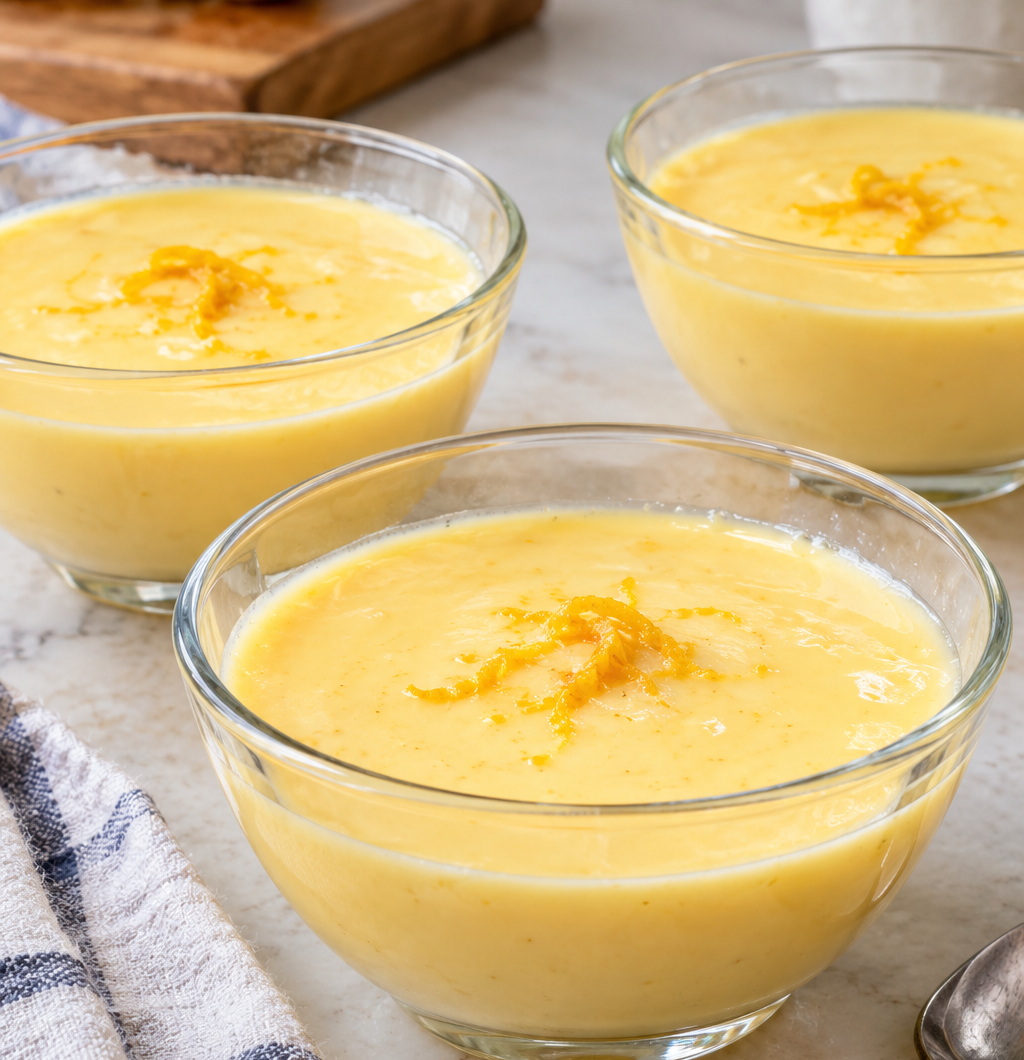
Keto Custard
 Recipe by admin
A rich, creamy keto vanilla custard made with eggs, heavy cream, and a low-carb sweetener. This easy baked dessert has a delicate vanilla flavor and approximately 2 grams of net carbohydrates per serving, based on the supplied nutrition information.
4
servings5
minutes30
minutes263
kcal35
minutesIngredients
3 large eggs
2 cups heavy cream
1/4 cup allulose or monk fruit sweetener
1 tablespoon vanilla extract
Directions
- Prepare the oven
Preheat the oven to 350°F (180°C). Grease four 2- to 3-inch ovenproof ramekins and arrange them inside a large baking dish. - Mix the ingredients
Whisk the eggs, heavy cream, sweetener, and vanilla extract in a large bowl until the mixture is smooth and evenly combined. - Fill the ramekins
Divide the custard mixture evenly among the four prepared ramekins, leaving a little space at the top. - Make the water bath
Carefully pour boiling water into the baking dish until it reaches approximately one inch up the sides of the ramekins. - Bake the custard
Place the baking dish in the oven and bake for about 30 minutes, checking for a mostly firm surface and a gently set center. - Cool and serve
Carefully remove the baking dish from the oven. Enjoy the custard warm or let it cool and refrigerate it for a chilled dessert.
Notes
- Smooth texture: Bring the eggs and cream toward room temperature before mixing.
- Sweetener choice: Allulose and monk fruit sweeteners can differ in sweetness and formulation, so follow the product’s conversion instructions when substituting.
- Flavor variations: For chocolate custard, add 2 tablespoons of cocoa powder. Alternatively, experiment with almond extract, orange extract, cinnamon, or nutmeg.
- Serving suggestion: Top with fresh blueberries or raspberries, accounting for their carbohydrates if you track net carbs.
- Refrigeration: Cover and refrigerate promptly. For best quality and food safety, consume within 3–4 days.
- Freezing: Freezing may affect the custard’s creamy texture. If freezing, use airtight freezer-safe containers and thaw overnight in the refrigerator.
- Cooking tip: Avoid overbaking, as excessive heat can make the custard grainy or rubbery.
Nutrition Facts
4 servings per container
- Amount Per ServingCalories263
- % Daily Value *
- Total Fat
32g
42%
- Total Carbohydrate
4g
2%
- Protein 7g 15%
* The % Daily Value tells you how much a nutrient in a serving of food contributes to a daily diet. 2,000 calories a day is used for general nutrition advice.


