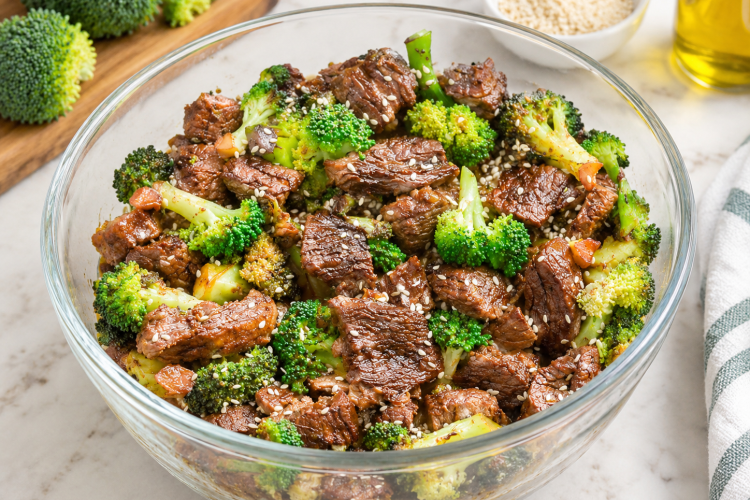
Keto beef and broccoli is a delicious, low-carb dinner that brings tender strips of beef, fresh broccoli florets, and a rich, savory sauce together in one pan. This easy beef and broccoli stir-fry is perfect for busy weeknights when you want a satisfying homemade meal without spending hours in the kitchen. With simple ingredients and a short cooking time, it offers the bold flavors of Chinese-inspired takeout while keeping carbohydrates low.
This keto beef and broccoli recipe combines flank steak with garlic, soy sauce, lemon juice, apple cider vinegar, coconut oil, and toasted sesame oil. Each ingredient contributes to the dish’s overall flavor, creating a savory sauce that coats the beef and vegetables beautifully. The broccoli adds a pleasant crunch and fresh taste, while the beef provides protein and a hearty texture. The result is a comforting meal that fits into a low-carb eating plan without sacrificing flavor.
One of the best things about this easy keto dinner is its convenience. Preparation takes approximately five minutes, and cooking takes around ten minutes, making the total time about fifteen minutes. That means you can prepare a flavorful dinner even on evenings when your schedule is full. Whether you are following a ketogenic diet, looking for a low-carb beef recipe, or simply trying to prepare more meals at home, this beef and broccoli stir-fry is a practical option.
Why You’ll Love This Keto Beef and Broccoli Recipe
A Quick Dinner for Busy Weeknights
Finding keto-friendly meals that are both easy and satisfying can make everyday meal planning much simpler. This quick beef and broccoli stir-fry requires only a handful of familiar ingredients and a single skillet, reducing the amount of preparation and cleanup. The steak cooks quickly when sliced into thin strips, while the broccoli softens in the flavorful sauce. Since the entire dish can be ready in approximately fifteen minutes, it works particularly well for weeknight dinners, quick lunches, and simple family meals.
A Flavorful Alternative to Takeout
Beef and broccoli is a popular dish in Chinese-American cuisine, known for its tender beef, green vegetables, and savory sauce. This homemade keto version captures some of those familiar flavors using soy sauce, garlic, and toasted sesame oil. Instead of relying on a thick sauce made with cornstarch, the recipe uses its combination of ingredients to season the beef and broccoli directly. It provides a satisfying takeout-inspired meal while allowing you to control the ingredients and portion sizes in your own kitchen.
Suitable for a Low-Carb Lifestyle
For anyone following a ketogenic or low-carbohydrate eating plan, choosing meals with fewer carbohydrates is an important part of everyday food preparation. Beef provides protein and fat, while broccoli contributes fiber and a range of vitamins and minerals. According to the supplied nutrition information, one serving contains approximately 6 grams of total carbohydrates and 3 grams of fiber, giving an estimated 3 grams of net carbohydrates. Actual nutritional values can vary depending on ingredient brands, portion sizes, and preparation methods.
Simple Ingredients with Big Flavor
This recipe does not depend on a long list of specialty products. Flank steak, broccoli, garlic, soy sauce, coconut oil, lemon juice, apple cider vinegar, and sesame oil work together to create a balanced combination of savory, tangy, and nutty flavors. Toasted sesame oil is particularly important because it adds a recognizable aroma that complements the beef. Using fresh broccoli and slicing the steak properly also helps improve the final texture, making a simple skillet meal taste more carefully prepared.
Ingredients for Keto Beef and Broccoli
Flank Steak
Flank steak is the main protein in this low-carb beef and broccoli recipe. It has a rich beef flavor and works well in quick stir-fries when cut into thin, bite-sized strips. Always slice the steak against the grain, meaning across the direction of the visible muscle fibers. This shortens the fibers and helps the cooked meat feel more tender when chewed. Cutting the steak into evenly sized pieces also allows it to cook more consistently in the skillet.
Coconut Oil
Coconut oil is used in the sauce mixture and helps provide richness to the beef. Its mild flavor works with the other seasonings without overpowering the dish. Measure the oil carefully so that the sauce remains balanced and coats the meat evenly. The recipe also uses sesame oil separately during cooking, so the coconut oil and sesame oil serve different purposes in the preparation.
Soy Sauce or Liquid Aminos
Soy sauce provides the salty, savory taste that forms the foundation of the stir-fry sauce. It pairs especially well with garlic and toasted sesame oil, giving the beef and broccoli a familiar takeout-inspired flavor. Liquid aminos can be used as an alternative, as specified in the recipe. However, the products are not identical, and anyone avoiding gluten should check the label of the chosen product to confirm that it meets their dietary requirements. People with soy allergies should also verify the ingredients because many liquid aminos are soy-based.
Minced Garlic
Garlic adds a warm, aromatic flavor that brings depth to the sauce. Freshly minced garlic works well, but prepared minced garlic from a jar can also be convenient when you are short on time. Distribute the garlic evenly through the marinade so its flavor reaches the steak before cooking. Garlic also complements the savory notes of soy sauce and the nutty aroma of sesame oil.
Lemon Juice
A small amount of lemon juice adds acidity to the marinade. This bright flavor balances the savory ingredients and keeps the sauce from tasting too heavy. The citrus note is subtle, so it does not turn the dish into a lemon-flavored stir-fry. Instead, it helps round out the overall taste and complements the natural flavor of the beef.
Apple Cider Vinegar
Apple cider vinegar adds another layer of acidity to the sauce. Combined with soy sauce and lemon juice, it creates a more balanced seasoning mixture for the beef and broccoli. The vinegar’s tanginess helps offset the richness of the meat and oils. Measuring the amount accurately is important because too much vinegar could make the sauce overly sharp.
Fresh Broccoli
Broccoli provides color, texture, and a fresh vegetable element in this keto-friendly dinner. Cut the florets into bite-sized pieces so they are easy to eat and cook more evenly. Smaller florets generally soften faster than large pieces, making them suitable for a quick skillet recipe. Broccoli also supplies fiber, vitamin C, and other nutrients, contributing to the nutritional variety of the meal.
Toasted Sesame Oil
Toasted sesame oil gives this beef and broccoli recipe much of its distinctive aroma. Its nutty, concentrated flavor works particularly well with garlic, soy sauce, and beef. The recipe uses two tablespoons, divided between cooking the steak and finishing the broccoli. Because toasted sesame oil has a strong flavor, measuring it carefully helps preserve the balance between the meat, vegetables, and sauce.
How to Make Keto Beef and Broccoli
Step 1: Slice the Beef
Place the flank steak on a clean cutting board and identify the direction of the muscle fibers. Using a sharp knife, slice across those fibers into thin, bite-sized strips. Try to keep the pieces similar in thickness so they cook evenly in the skillet. Transfer the sliced steak to a mixing bowl. Taking a moment to cut the beef correctly can make a noticeable difference in tenderness, especially when preparing a quick stir-fry over medium-high heat.
Step 2: Prepare the Marinade
In a small bowl, whisk together the coconut oil, soy sauce or liquid aminos, minced garlic, lemon juice, and apple cider vinegar. Continue mixing until the ingredients are evenly combined. Pour the sauce over the sliced steak and toss thoroughly to coat each piece. Allowing the beef to sit in the mixture while you prepare the skillet gives the seasonings an opportunity to distribute across the surface of the meat. Keep the marinating process brief if you want to maintain the recipe’s quick preparation time.
Step 3: Heat the Skillet
Place a non-stick skillet over medium-high heat and add one tablespoon of toasted sesame oil. Allow the skillet to become hot before adding the beef. A properly heated pan helps the steak sear rather than simply steam in its juices. For the best result, avoid overcrowding the skillet. If your pan is too small for the meat to fit comfortably in a single layer, cooking in batches can help improve browning and prevent excess moisture from collecting in the pan.
Step 4: Cook the Beef
Add the marinated steak along with approximately half of the sauce from the mixing bowl. Spread the strips across the skillet and cook for about five minutes, turning them halfway through. The beef should develop a savory exterior while remaining tender inside. Cooking time depends on the thickness of the strips and the heat of your stove, so check the meat rather than relying on the clock alone. For food safety, use a thermometer when appropriate and follow recommended safe cooking temperatures for beef.
Step 5: Add the Broccoli
Once the beef has started cooking, add the remaining tablespoon of sesame oil to the skillet. Add the chopped broccoli and pour in the remaining marinade. Stir everything together so the florets become coated in the sauce and the ingredients are distributed throughout the pan. Cook for approximately five minutes initially, then continue cooking as needed until the broccoli reaches your preferred texture. The original method allows additional gentle simmering over low heat to finish cooking the vegetables.
Step 6: Adjust the Texture and Finish Cooking
Reduce the heat to low if the broccoli needs more time to soften. Stir occasionally to help the sauce coat the vegetables and prevent the ingredients from sticking. For broccoli with a slight crunch, stop cooking once the florets are tender but still hold their shape. If you prefer softer broccoli, allow a little more cooking time. Keep in mind that smaller florets will cook more quickly, so check them regularly to avoid overcooking.
Step 7: Serve Immediately
Remove the skillet from the heat once the beef is cooked and the broccoli has reached your preferred tenderness. Taste the sauce before adding any extra salt, since soy sauce can already contribute considerable saltiness. Transfer the stir-fry to serving plates or a shallow bowl and serve while warm. The finished dish combines juicy beef, green broccoli, and a savory sesame-garlic sauce in a simple meal that requires very little cleanup.
What to Serve with Low-Carb Beef and Broccoli
Cauliflower Rice
Cauliflower rice is a convenient side dish for anyone who wants to keep the meal low in carbohydrates. Its mild flavor allows the beef and broccoli sauce to stand out, while its texture provides a rice-like base for the stir-fry. You can serve the cauliflower rice plain or lightly season it according to your preference. Spoon the beef and broccoli over the top so the sauce adds flavor to the entire plate.
Steamed Vegetables
If you want to include more vegetables, serve the stir-fry with a small portion of steamed cabbage, zucchini, or green beans. These vegetables can complement the broccoli without introducing a heavy side dish. Choose simple preparation methods, such as steaming or lightly sautéing, to keep the meal focused on the savory beef and sesame sauce. When following a strict ketogenic diet, remember to consider the carbohydrate content of all sides as part of the complete meal.
A Simple Cucumber Salad
A fresh cucumber salad offers a refreshing contrast to the warm, savory stir-fry. Thinly sliced cucumber with a light vinegar dressing can provide crisp texture and a bright flavor alongside the beef. Keep the dressing simple and check any added sweeteners if you are monitoring carbohydrates. The cool vegetables make a pleasant accompaniment, especially during warmer weather or when you want a lighter dinner.
Tips for the Best Keto Beef and Broccoli
Always Slice Against the Grain
The way you cut flank steak is one of the most important details in this recipe. Cutting against the grain shortens the muscle fibers, helping the beef feel less chewy after cooking. If the strips are cut with the grain, they can become tougher to bite through, even when the meat is cooked correctly. Use a sharp knife and cut the steak into consistent strips for a more tender, restaurant-style result.
Avoid Overcrowding the Pan
A crowded skillet can cause the beef to release moisture without developing a good sear. When too many strips are packed together, the temperature of the pan drops, and the meat may cook unevenly. If you are using a smaller skillet, divide the beef into batches and combine everything again when adding the broccoli. This extra step can improve the texture and flavor of the finished stir-fry.
Do Not Overcook the Broccoli
Broccoli is best when it retains some texture and a vibrant green color. Cooking it for too long can make the florets soft and dull, especially if they are cut into very small pieces. Begin checking the broccoli after approximately five minutes and continue cooking only until it reaches your preferred tenderness. If you prefer crisp-tender vegetables, keep the cooking time short and stir frequently.
Taste Before Adding Salt
Soy sauce is already salty, and liquid aminos can also contain significant sodium depending on the product. For that reason, it is sensible to taste the finished sauce before adding extra salt. If you need to adjust the flavor, make small changes rather than seasoning heavily at the beginning. This helps you maintain control over the final taste and avoid an overly salty meal.
Use Quality Toasted Sesame Oil
Toasted sesame oil contributes a distinctive nutty aroma that can make a simple beef stir-fry taste much more complex. Store it according to the label and keep it tightly sealed to help preserve its flavor. Since sesame oil has a strong taste, there is no need to add more than the specified amount. Using the right quantity allows the sesame flavor to complement rather than overpower the beef and broccoli.
How to Store and Reheat Beef and Broccoli
Refrigerating Leftovers
Allow leftover keto beef and broccoli to cool slightly before transferring it to a clean, airtight container. Refrigerate promptly, ideally within two hours of cooking, and maintain the refrigerator at 40°F (4°C) or below. Although the supplied recipe notes suggest keeping leftovers for up to one week, a more cautious food-safety recommendation for cooked beef and vegetables is to use refrigerated leftovers within three to four days. This helps reduce the risk of foodborne illness while preserving quality.
Freezing for Later
This stir-fry can be frozen if you want to prepare meals ahead of time. Divide the cooled food into airtight, freezer-safe containers and label them with the storage date. For the best quality, use frozen leftovers within approximately two to three months, although food kept continuously frozen at 0°F (-18°C) remains safe longer. Broccoli may soften after freezing and thawing, so the texture will not be exactly the same as freshly cooked vegetables.
Reheating in the Microwave
For a quick lunch, place a serving in a microwave-safe dish and cover it loosely. Heat in short intervals, stirring between intervals to distribute the heat evenly. The supplied recipe suggests starting with 30 to 40 seconds, but larger portions and colder food may require additional time. Reheat until the entire portion reaches 165°F (74°C), particularly when using refrigerated leftovers.
Reheating on the Stovetop
A skillet is another effective way to reheat the beef and broccoli. Add the leftovers to a pan over medium heat with a small splash of water to loosen the sauce and prevent sticking. Stir occasionally until everything is heated through. Avoid cooking for longer than necessary, since repeated heating can make the beef tougher and the broccoli softer.
Frequently Asked Questions
Is Beef and Broccoli Keto-Friendly?
Yes, beef and broccoli can fit into a ketogenic eating plan when prepared with low-carbohydrate ingredients and served in suitable portions. This recipe uses beef, broccoli, soy sauce, garlic, oils, lemon juice, and vinegar rather than a conventional starch-thickened sauce. The supplied nutrition figures estimate approximately 3 grams of net carbohydrates per serving. Check your ingredient labels and portion sizes, as the actual carbohydrate count can vary with the products you use.
How Many Carbs Are in Keto Beef and Broccoli?
According to the supplied nutrition information, one serving contains approximately 6 grams of total carbohydrates and 3 grams of fiber. Subtracting fiber from total carbohydrates gives an estimated 3 grams of net carbohydrates per serving. These figures are estimates, not laboratory measurements, and may differ depending on the exact ingredients, brands, and serving sizes. If you track carbohydrates closely, calculate the values using the products you actually use.
Can I Use Another Cut of Beef?
Flank steak is recommended because it has a strong beef flavor and works well when sliced thinly for quick cooking. However, other suitable cuts may work if they can be cut into thin strips and cooked quickly. Whichever cut you choose, slicing against the grain and avoiding excessive cooking will help improve tenderness. Thicker or tougher cuts may need a different cooking method, so they are not always direct substitutes in a fifteen-minute stir-fry.
Can I Use Frozen Broccoli?
Frozen broccoli can be used when fresh broccoli is unavailable. For the best texture, thaw it and drain excess moisture before adding it to the skillet. Frozen florets may soften faster than fresh broccoli, so check them frequently and reduce the cooking time when necessary. They may release additional water, which can thin the sauce. Fresh broccoli is preferable if you want a firmer texture and more control over the cooking process.
Is Soy Sauce Gluten-Free?
Traditional soy sauce commonly contains wheat, so it is not automatically gluten-free. If you need to avoid gluten, choose a product specifically labeled gluten-free, such as suitable gluten-free tamari, or another verified alternative that meets your dietary needs. The original recipe lists liquid aminos as an alternative, but not all liquid aminos products are suitable for every allergy or dietary restriction. Always check the ingredient label before using a substitute.
Can I Prepare the Sauce Ahead of Time?
Yes, you can mix the coconut oil, soy sauce or liquid aminos, minced garlic, lemon juice, and apple cider vinegar ahead of time. Store the sauce in a covered container in the refrigerator until you are ready to cook. For convenience, you can also slice the steak in advance and refrigerate it separately. Keep raw beef away from ready-to-eat foods, and use clean utensils when preparing and handling the marinade.
How Can I Make the Sauce Thicker?
This recipe is designed without cornstarch, so the sauce may be lighter than the thick sauce found in some restaurant versions. To concentrate its flavor, allow excess liquid to simmer gently for a short time while stirring and monitoring the ingredients. Avoid reducing it too aggressively, because the soy sauce can become overly salty. If you prefer a thicker sauce, a suitable low-carbohydrate thickener can be considered, but that would change the original ingredient list.
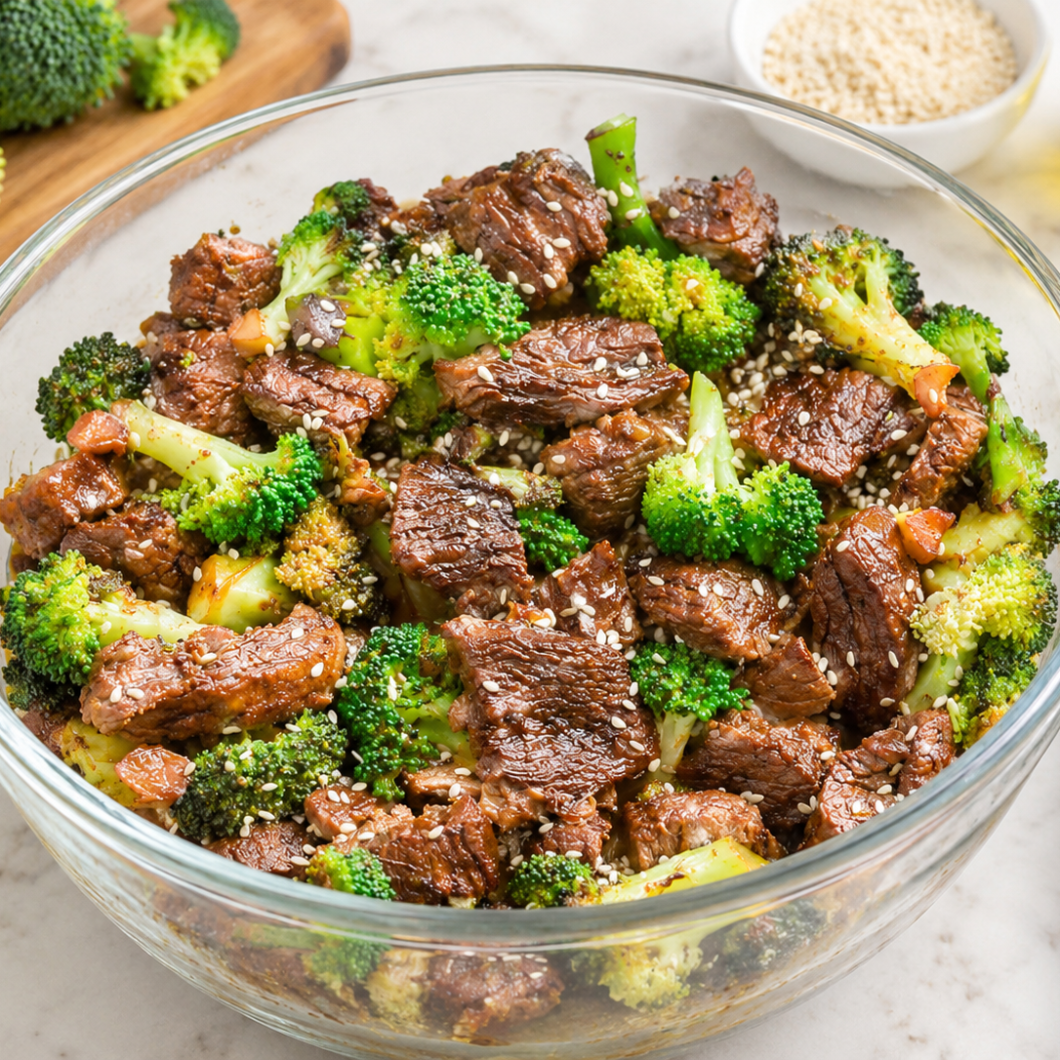
Keto Beef & Broccoli
 Recipe by admin
This easy keto beef and broccoli recipe features tender flank steak, fresh broccoli, and a savory garlic-sesame sauce. Prepared in one skillet in approximately 15 minutes, it is a satisfying low-carb dinner with an estimated 3 grams of net carbohydrates per serving.
8
servings5
minutes10
minutes235
kcal15
minutesIngredients
2 pounds flank steak
2 tablespoons coconut oil
1/2 cup soy sauce (can use liquid aminos)
2 tablespoons minced garlic
1 teaspoon lemon juice
1 tablespoon apple cider vinegar
4 cups broccoli, chopped
2 tablespoons sesame oil
Directions
- Slice the Steak
Slice the flank steak against the grain into bite-sized strips. Transfer the beef to a mixing bowl. - Mix the Sauce
In a small bowl, whisk together the coconut oil, soy sauce or liquid aminos, minced garlic, lemon juice, and apple cider vinegar. Pour the mixture over the beef and toss until the strips are evenly coated. - Sear the Beef
Heat a non-stick skillet over medium-high heat and add one tablespoon of sesame oil. Once the pan is hot, add the marinated steak with approximately half of the sauce. Cook for five minutes, turning the beef halfway through. - Add the Broccoli
Add the remaining tablespoon of sesame oil, the chopped broccoli, and the rest of the sauce. Stir well to coat the ingredients. - Finish Cooking
Cook for approximately five minutes, or until the broccoli begins to soften. Reduce the heat to low and continue simmering as needed until the broccoli reaches your preferred tenderness and the beef is cooked safely. - Serve
Remove the skillet from the heat and serve the beef and broccoli immediately while warm.
Notes
- For tender beef: Always slice the flank steak against the grain.
- For even cooking: Avoid overcrowding the skillet.
- For the best broccoli texture: Check the florets regularly and stop cooking when they reach your preferred tenderness.
- For seasoning: Taste the sauce before adding extra salt because soy sauce can already be salty.
- For gluten-free preparation: Use a verified gluten-free soy sauce alternative and check all ingredient labels.
- Refrigerator storage: Store in an airtight container and consume within three to four days.
- Freezer storage: Freeze in airtight containers for the best quality for approximately two to three months.
- Reheating: Reheat thoroughly to 165°F (74°C), using a microwave or skillet.
Nutrition Facts
8 servings per container
- Amount Per ServingCalories235
- % Daily Value *
- Total Fat
13g
17%
- Total Carbohydrate
6g
3%
- Protein 26g 52%
* The % Daily Value tells you how much a nutrient in a serving of food contributes to a daily diet. 2,000 calories a day is used for general nutrition advice.


