Fresh bread coming out of the oven always makes the kitchen feel warm and inviting. For a long time, gluten-free bread seemed like something that required complicated techniques or special baking skills, but after making it several times at home, I realized it is much simpler than it first appears.
The biggest difference between gluten-free bread and traditional wheat bread is that the process isn’t centered around kneading dough. Instead, the ingredients are mixed into a thick batter that rises once before baking. Once I understood that this batter should remain soft instead of firm, the entire recipe became much easier to prepare.
This loaf has become one of my regular homemade breads because it produces soft slices that work well for breakfast toast, sandwiches, or serving alongside soup and salads. The method is uncomplicated, uses everyday pantry ingredients, and creates reliable results without needing advanced bread-making experience.
Why Gluten-Free Bread Is Different
Anyone familiar with baking traditional bread notices one major difference immediately. Wheat dough becomes stretchy and elastic because of gluten, while gluten-free dough behaves differently from the start.
Instead of expecting a dough that can be kneaded and shaped by hand, this recipe creates a batter that is thick enough to hold air but soft enough to spread easily into the loaf pan.
Accepting this difference makes the process much more enjoyable because the recipe is designed specifically for gluten-free flour rather than trying to imitate wheat dough.
The Ingredients Work Together
Every ingredient in this loaf has an important purpose. Nothing is unnecessary, and each one helps build the structure that gluten would normally provide.
The gluten-free all-purpose flour blend forms the foundation of the loaf. A blend containing rice flour, starches, and xanthan gum or guar gum produces the best texture because these ingredients help bind everything together.
Sugar or honey serves two purposes. Besides adding a mild sweetness, it helps activate the yeast during the first stage of mixing.
Instant yeast creates the rise that gives the loaf its light texture. Active yeast is essential for a successful bake.
Salt balances the flavor while strengthening the overall structure of the bread.
Warm water hydrates the flour blend and allows the yeast to become active.
Oil keeps the crumb tender while helping the loaf stay soft after baking.
Eggs provide moisture, stability, and binding. They also improve the loaf’s overall texture and make slicing much easier once the bread has cooled.
Apple cider vinegar is optional but contributes to a slightly better rise and a softer crumb.
Milk powder or dairy-free milk powder is another optional ingredient that can improve softness and create a richer texture.
Simple Equipment Makes Baking Easier
One reason I enjoy making this loaf is that it doesn’t require special equipment.
A large mixing bowl is enough for combining everything comfortably.
Measuring cups and measuring spoons help keep the ingredient amounts accurate, which is especially important for gluten-free baking.
A whisk works well for mixing dry ingredients evenly, while an electric mixer makes combining the wet batter much faster.
The loaf bakes perfectly in a standard 9 × 5-inch loaf pan.
Lining the pan with parchment paper makes removing the finished bread much easier, and a clean kitchen towel is useful while the batter rises.
Preparing the Yeast
I always begin by preparing the yeast before mixing anything else.
Warm water is poured into a bowl before adding the sugar or honey. After stirring briefly, the instant yeast is sprinkled over the surface.
The mixture rests for about five to ten minutes.
When the yeast is fresh, a layer of bubbles and foam develops across the top. That foamy appearance confirms the yeast is active.
If the surface remains completely flat, it’s best to replace the yeast rather than continue with the recipe because the loaf will not rise properly.
Mixing the Dry Ingredients
While the yeast activates, I prepare the dry ingredients.
The gluten-free flour blend goes into a separate bowl together with the salt.
If milk powder or dairy-free milk powder is being used, it is added now as well.
Everything is whisked together thoroughly so the ingredients are evenly distributed throughout the flour.
This simple step helps create a more consistent crumb once the bread has baked.
Combining Everything
Once the yeast mixture is ready, it is poured into the bowl containing the flour mixture.
The oil, eggs, and apple cider vinegar are added next.
Everything is mixed together for several minutes until smooth.
Unlike wheat bread, the mixture never forms a firm dough.
Instead, it becomes a thick batter that feels sticky and soft.
This is exactly how it should look.
Adding more flour at this stage is unnecessary because the extra moisture helps produce a lighter loaf after baking.
Filling the Loaf Pan
The prepared batter is transferred directly into the loaf pan.
I like to smooth the surface with a damp spatula so the top bakes evenly.
Because the batter cannot be shaped by hand, the loaf pan supports the mixture while it rises and bakes.
Taking an extra minute to level the surface usually creates a more attractive finished loaf.
Allowing the Batter to Rise
This recipe only needs one rise.
The pan is loosely covered with a clean kitchen towel and placed somewhere warm.
Over the next thirty-five to fifty minutes, the batter slowly becomes lighter and slightly larger.
It should increase noticeably in size but should not double.
Allowing it to rise too much can weaken the structure and cause the loaf to sink while baking.
Watching for a gentle rise instead of waiting for dramatic expansion gives much more reliable results.
Baking the Bread
Before the batter finishes rising, I preheat the oven to 180°C (350°F).
The loaf bakes on the center rack where heat circulates evenly.
As the bread bakes, the top gradually develops a rich golden color.
After about thirty minutes, I loosely place a sheet of foil over the loaf to prevent excessive browning while the center continues cooking.
Depending on the oven, baking usually takes between forty-five and fifty-five minutes.
The loaf is ready when the crust is golden, a toothpick inserted into the center comes out clean, and the internal temperature reaches approximately 96°C (205°F).
Cooling Is Part of the Recipe
Once the bread comes out of the oven, I leave it in the pan for around ten minutes.
This short rest allows the loaf to become slightly firmer before being removed.
After that, it is transferred to a wire rack.
Although it’s tempting to slice fresh bread immediately, allowing it to cool completely makes a noticeable difference.
During cooling, the interior continues setting, creating slices that hold together much better.
Waiting at least one hour before cutting produces the best texture.
Storing the Bread
After the loaf has cooled completely, it stores well in an airtight container.
It stays fresh at room temperature for about one day.
For longer storage, refrigeration helps preserve freshness for several more days.
I also like freezing individual slices because they can be toasted directly from frozen whenever needed.
A toaster or warm oven restores much of the loaf’s soft texture.
Helpful Tips for Consistent Results
A few simple habits make this recipe much more dependable.
Always use a gluten-free all-purpose flour blend that already contains rice flour, starches, and xanthan gum or guar gum.
Measure ingredients carefully because gluten-free baking depends on balanced hydration.
Keep the batter soft instead of adding additional flour.
Use fresh yeast that becomes foamy during activation.
Avoid allowing the batter to over-rise before baking.
Finally, let the loaf cool completely before slicing so the crumb has enough time to set.
Serving Ideas
One of the things I enjoy most about this bread is how versatile it is.
Fresh slices are excellent for breakfast with butter or jam.
It also makes sturdy sandwiches for lunch.
Lightly toasted slices pair well with soup, salads, or pasta dishes.
Because the loaf freezes well, it is convenient to keep extra slices available for quick meals throughout the week.
Final Thoughts
This homemade gluten-free bread proves that baking without gluten doesn’t have to be difficult. By following a straightforward method, using a dependable flour blend, and allowing enough time for rising, baking, and cooling, the result is a loaf that is soft, sturdy, and easy to slice.
I enjoy making this recipe because it fits naturally into everyday baking without requiring complicated techniques. Once the process becomes familiar, it is easy to repeat whenever fresh homemade bread is needed.
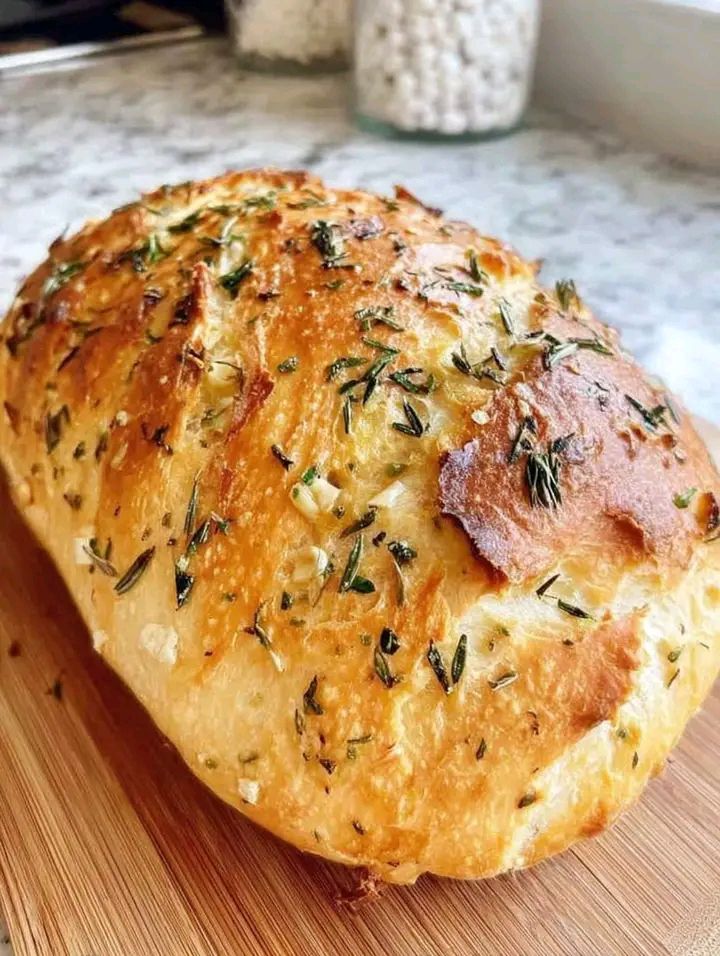
Gluten free bread
This homemade gluten-free bread is soft, light, and easy to slice, making it perfect for everyday meals. Made with a gluten-free all-purpose flour blend, yeast, eggs, and simple pantry staples, this loaf is ideal for toast, sandwiches, or serving alongside your favorite soups and salads.
4
servings20
minutes1
hour165
kcalIngredients
3 cups (420 g) gluten-free all-purpose flour blend (with rice flour, starches, and xanthan or guar gum)
2 tablespoons sugar or honey
2 teaspoons instant yeast
1 teaspoon salt
2 tablespoons milk powder or dairy-free milk powder (optional)
1¼ cups warm water (40–43°C / 105–110°F)
3 tablespoons olive oil or vegetable oil
2 large eggs, room temperature
1 tablespoon apple cider vinegar (optional)
Directions
- In a small bowl, combine the warm water, sugar or honey, and instant yeast. Let the mixture rest for 5–10 minutes until it becomes foamy.
- In a large mixing bowl, whisk together the gluten-free flour blend, salt, and milk powder if using.
- Add the activated yeast mixture, olive oil or vegetable oil, eggs, and apple cider vinegar to the dry ingredients.
- Mix for 3–4 minutes until a smooth, thick batter forms. Do not add extra flour.
- Transfer the batter into a greased or parchment-lined 9 × 5-inch loaf pan and smooth the top with a spatula.
- Cover the pan loosely with a clean kitchen towel and let the batter rise in a warm place for 35–50 minutes.
- Preheat the oven to 180°C (350°F).
- Bake for 45–55 minutes. If the top browns too quickly, loosely cover it with foil after about 30 minutes.
- The bread is done when the top is golden and a toothpick inserted into the center comes out clean.
- Allow the loaf to cool in the pan for 10 minutes, then transfer it to a wire rack and cool completely before slicing.
Notes
- The batter should be thick and sticky, not firm like traditional bread dough.
Only one rise is needed for the best structure.
Allow the bread to cool completely before slicing to prevent a gummy texture.
Store in an airtight container at room temperature for up to 1 day, refrigerate for several days, or freeze individual slices for longer storage.
Nutrition Facts
- Calories: 165kcal
- Fat: 4g
- Saturated Fat: 1g
- Cholesterol: 31mg
- Sodium: 235mg
- Potassium: 72mg
- Carbohydrates: 28g
- Fiber: 2g
- Sugar: 3g
- Protein: 4g
- Vitamin A: 1mcg
- Vitamin C: 0mg
- Calcium: 24mg
- Iron: 1.1mg


