Introduction
A Sunday roast is more than just a meal; it is a tradition. Served across the UK and many other countries, it brings together roasted meat, crispy potatoes, rich gravy, and comforting side dishes. What makes a great Sunday roast is not complexity, but timing, care, and balance. Each element should be cooked properly and served hot, creating a meal that feels hearty, satisfying, and special.
This guide explains everything in detail, from choosing the meat to making gravy from scratch. Even if you have never cooked a roast before, following these steps will help you achieve excellent results.
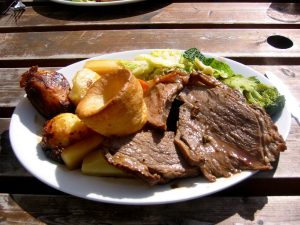
What a Classic Sunday Roast Includes
- Roasted meat (beef, chicken, lamb, or pork)
- Crispy roast potatoes
- Gravy made from meat juices
- Roasted or steamed vegetables
- Yorkshire pudding (especially with beef)
This recipe will focus on a classic roast chicken, with instructions that can easily be adapted for other meats.
Ingredients
For the Roast Chicken
- 1 whole chicken (1.8–2 kg)
- 2 tablespoons olive oil or softened butter
- 1 teaspoon salt
- ½ teaspoon black pepper
- 1 teaspoon dried thyme or rosemary
- 1 lemon, halved
- 1 whole garlic bulb, halved
- 1 onion, quartered
For the Roast Potatoes
- 1.5 kg potatoes (Maris Piper, King Edward, or Russet)
- Salt
- 4 tablespoons vegetable oil, goose fat, or beef dripping
For the Vegetables
Choose a mix such as:
- Carrots, peeled and cut into chunks
- Parsnips, peeled and halved
- Broccoli or green beans
- Peas
For the Gravy
- Pan juices from the roasted chicken
- 2 tablespoons plain flour
- 500 ml hot chicken stock
- Salt and pepper to taste
Optional Extras
- Yorkshire puddings
- Stuffing
- Cranberry sauce or bread sauce
Equipment Needed
- Roasting tray
- Large pot for boiling potatoes
- Saucepan for gravy
- Sharp knife
- Cutting board
- Foil
- Oven preheated to 200°C (400°F)
Step 1: Preparing the Chicken
- Remove the chicken from the fridge at least 30 minutes before cooking. This allows it to cook evenly.
- Preheat the oven to 200°C (400°F).
- Pat the chicken dry with paper towels. Dry skin helps achieve crispness.
- Rub the chicken all over with olive oil or butter.
- Season generously with salt, pepper, and herbs.
- Place the lemon halves, garlic, and onion inside the chicken cavity.
This adds flavor and moisture while roasting.
Step 2: Roasting the Chicken
- Place the chicken breast-side up in a roasting tray.
- Roast for approximately 20 minutes per 500 g, plus an extra 20 minutes.
- For a 2 kg chicken, roast for about 1 hour 40 minutes.
- Halfway through cooking, baste the chicken with its juices.
The chicken is done when:
- The juices run clear when pierced at the thigh
- The internal temperature reaches 75°C (165°F)
- The skin is golden and crisp
- Once cooked, remove the chicken from the oven.
- Cover loosely with foil and rest for 15–20 minutes.
Resting keeps the meat juicy and makes carving easier.
Step 3: Preparing the Roast Potatoes
Parboiling
- Peel and cut potatoes into large chunks.
- Place in cold salted water and bring to a boil.
- Boil for 8–10 minutes until the edges are soft.
- Drain well and shake the potatoes in the pot to roughen the edges.
Rough edges create extra crispness.
Roasting
- Heat oil or fat in a roasting tray in the oven until very hot.
- Carefully add the potatoes, turning them to coat in fat.
- Roast for 45–60 minutes, turning every 20 minutes.
- Season with salt halfway through cooking.
They should be deeply golden, crisp on the outside, and fluffy inside.
Step 4: Cooking the Vegetables
Roasted Vegetables
- Add carrots and parsnips to the oven for the last 40 minutes of cooking.
- Toss with oil, salt, and pepper before roasting.
Steamed or Boiled Vegetables
- Boil or steam greens like broccoli and beans for 3–5 minutes.
- Season lightly with salt and a little butter.
Do not overcook vegetables; they should remain bright and slightly firm.
Step 5: Making the Gravy
- Place the roasting tray on the stovetop over medium heat.
- Sprinkle flour into the pan juices and stir well.
- Cook for 1–2 minutes to remove the raw flour taste.
- Gradually whisk in hot stock.
- Simmer until thickened.
- Season with salt and pepper.
Strain if you prefer smooth gravy.
Step 6: Yorkshire Pudding (Optional but Traditional)
Yorkshire puddings are traditionally served with roast beef, but many people enjoy them with any roast.
Basic batter:
- 140 g plain flour
- 4 eggs
- 200 ml milk
- Pinch of salt
Bake in hot oil at 220°C (425°F) for 20–25 minutes without opening the oven door.
Step 7: Carving and Serving
- Carve the rested chicken into breasts, thighs, and drumsticks.
- Arrange on a warm serving platter.
- Serve with roast potatoes, vegetables, Yorkshire pudding, and gravy.
Everything should be served hot for the best experience.
Common Mistakes to Avoid
- Skipping resting time for the meat
- Using cold oil for roast potatoes
- Overcrowding the roasting tray
- Overcooking vegetables
- Forgetting to season properly
Variations
Roast Beef
Cook at high heat initially, then lower temperature. Serve rare to medium with Yorkshire pudding.
Roast Lamb
Add garlic and rosemary. Serve with mint sauce.
Roast Pork
Dry the skin thoroughly and use high heat for crispy crackling.
