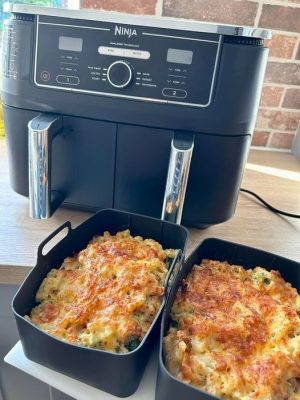
INGREDIENTS
1. Pasta
- 400 g (14 oz) elbow macaroni or short pasta
Keyword focus: Pasta texture, undercooked pasta, starch retention
Function: Slightly undercooked pasta absorbs the cheese sauce without becoming mushy.
2. Cheese Blend
- 1½ cups sharp cheddar, freshly grated – bold flavor
- 1 cup mozzarella or Monterey Jack, freshly grated – smooth melt
- ½ cup Parmesan, finely grated – depth and umami
Keyword focus: Cheese meltability, flavor layering, emulsification
Note: Avoid pre-shredded cheese; anti-caking agents prevent smooth sauce.
3. Sauce Base (Roux + Liquid)
- 4 tablespoons unsalted butter – fat for roux
- 4 tablespoons all-purpose flour – thickening agent
- 3 cups whole milk, warmed – main liquid for creamy consistency
- ½ cup heavy cream – adds richness and silky texture
Keyword focus: Roux formation, sauce thickening, creaminess
4. Seasoning (Flavor Balance)
- 1 teaspoon salt
- ½ teaspoon black pepper
- ¼ teaspoon white pepper
- 1 teaspoon mustard powder – enhances cheese flavor
- ½ teaspoon paprika – subtle smoky note
- ¼ teaspoon garlic powder – depth
- Optional: pinch of nutmeg – subtle warmth
Keyword focus: Seasoning balance, flavor depth, umami enhancement
5. Optional Topping (Baked Version)
- ½ cup breadcrumbs
- 2 tablespoons melted butter
- ¼ cup grated Parmesan
Keyword focus: Crunchy topping, texture contrast, Maillard browning
STEP-BY-STEP INSTRUCTIONS WITH KEYWORD EMPHASIS
Step 1: Cook Pasta Properly
Keyword focus: Al dente, starch retention, undercooked pasta
- Bring a large pot of water to a rolling boil.
- Add 1½ tablespoons salt – enhances pasta flavor.
- Add pasta and cook 2 minutes less than package instructions (al dente).
- Drain and reserve ½ cup pasta water.
- Do not rinse – starch helps sauce adhere.
Tip: Perfect pasta is essential for smooth sauce absorption. Overcooked pasta = mushy mac and cheese.
Step 2: Make a Roux (Sauce Foundation)
Keyword focus: Roux, thickening, base sauce, smooth consistency
- Melt butter over medium heat in a heavy-bottomed saucepan.
- Add flour and whisk constantly for 2 minutes.
- Keep it pale; do not brown.
Tip: A properly made roux removes raw flour taste while allowing for emulsification of milk and cheese.
Step 3: Add Milk and Cream Slowly
Keyword focus: Emulsification, creaminess, temperature control
- Reduce heat to medium-low.
- Add warm milk gradually, about ½ cup at a time, whisking constantly.
- Once incorporated, add heavy cream.
- Cook 3–5 minutes until the sauce thickens enough to coat the back of a spoon.
Tip: Slow addition prevents lumps and ensures smooth sauce consistency.
Step 4: Season the Sauce
Keyword focus: Flavor balance, umami, depth
- Add salt, black pepper, white pepper, mustard powder, paprika, garlic powder, and optional nutmeg.
- Stir well and taste – slightly under-seasoned at this stage is correct because cheese adds saltiness.
Step 5: Add Cheese Gradually
Keyword focus: Cheese meltability, smooth sauce, emulsification
- Turn off heat completely.
- Add cheese in this order: cheddar → mozzarella → Parmesan.
- Add one handful at a time, stirring gently until fully melted.
Tip: Never boil the sauce after adding cheese. If too thick, add reserved pasta water 1 tablespoon at a time.
Step 6: Combine Pasta and Cheese Sauce
Keyword focus: Coating, glossy sauce, even distribution
- Add drained pasta to the cheese sauce.
- Fold gently until every piece is coated.
- Taste and adjust salt if needed.
Tip: Sauce should be glossy, smooth, and fully emulsified.
Step 7: Stovetop Version
Keyword focus: Creamy texture, immediate serving
- Let rest 2–3 minutes for sauce stabilization.
- Serve warm for maximum creaminess.
Step 8: Optional Baked Version
Keyword focus: Crunchy topping, Maillard reaction, flavor layering
- Preheat oven to 180°C (350°F).
- Transfer mac and cheese to a buttered baking dish.
- Mix breadcrumbs, melted butter, and Parmesan; sprinkle on top.
- Bake 15–20 minutes until golden and bubbling.
- Do not overbake to avoid dryness.
