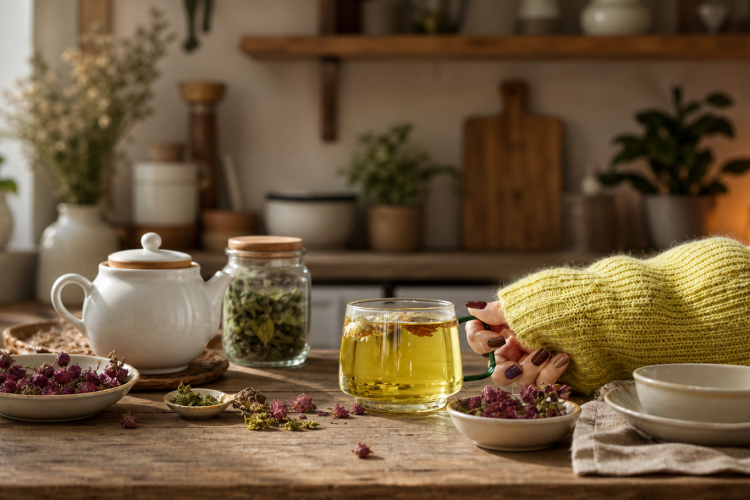
Fuchsia Tea is a calming, caffeine-free herbal tea designed for people who want a gentle drink that supports digestion and overall gut comfort. While the name suggests a floral inspiration, this tea does not use the fuchsia plant itself. Instead, it blends well-known digestive-friendly herbs such as fennel, chamomile, mint, and a hint of ginger. This combination creates a light, soothing beverage that is especially helpful for individuals managing digestive concerns like diverticulosis or those simply looking for a healthy herbal tea option.
Why Herbal Tea Is Beneficial for Digestive Health
Herbal teas have long been used as natural remedies for digestive discomfort. Many herbs contain compounds that help relax the digestive tract, reduce bloating, and support smooth digestion. This digestive herbal tea is crafted with ingredients known for their calming and anti-inflammatory properties. Drinking a warm herbal infusion can also encourage hydration, which is essential for maintaining gut health and preventing digestive issues. For people with sensitive stomachs, choosing the right combination of herbs can make a noticeable difference.
Understanding Diverticulosis and Gentle Diet Choices
Diverticulosis is a condition where small pouches form in the colon wall, and managing it often involves careful dietary choices. Foods and drinks that are easy to digest and low in irritation are generally recommended. This soothing herbal tea fits well into such a diet because it avoids harsh ingredients, strong spices, and caffeine. Instead, it focuses on mild, natural components that promote comfort without placing stress on the digestive system. Choosing gentle beverages like this can be a simple yet effective way to support daily wellness.
Key Ingredients That Support Gut Comfort
Each ingredient in this herbal tea recipe plays a specific role in promoting digestive health. Fennel seeds are widely known for reducing gas and bloating, making them a popular choice in natural remedies. Chamomile flowers provide a calming effect, helping to relax both the mind and digestive tract. Fresh mint leaves add a refreshing taste while also aiding digestion. A small amount of ginger can enhance the tea with mild warmth and anti-inflammatory benefits, though it should be used carefully to avoid irritation.
The Role of Fennel Seeds in Digestive Herbal Tea
Fennel seeds are a staple in many traditional digestive drinks. They contain natural oils that help relax intestinal muscles and reduce symptoms like bloating and discomfort. When steeped in warm water, fennel releases a gentle flavor that is slightly sweet and soothing. Including fennel in this tea makes it particularly effective as a post-meal drink, helping the body process food more comfortably. This is one reason fennel tea is often recommended for people seeking natural digestive relief.
Chamomile Flowers for Calmness and Relief
Chamomile is one of the most popular herbs used in calming teas. It is known for its ability to reduce stress, promote relaxation, and soothe the digestive system. Chamomile tea is often used before bedtime, but it is equally effective during the day for easing digestive discomfort. In this recipe, chamomile works alongside fennel to create a balanced, gentle herbal blend that supports both mental relaxation and physical comfort.
Mint Leaves for Freshness and Digestive Support
Mint leaves add a refreshing and cooling element to this herbal tea. They are commonly used in digestive remedies because they help relax the muscles of the gastrointestinal tract. This can reduce cramping and improve the flow of digestion. Mint also enhances the flavor of the tea, making it more enjoyable to drink regularly. For those who find plain herbal teas too mild, mint provides a pleasant taste without adding irritation.
Ginger as an Optional Mild Addition
Ginger is widely known for its anti-inflammatory and digestive benefits, but it can be strong if used in large amounts. In this recipe, only a small piece is recommended to keep the tea gentle and suitable for sensitive stomachs. Ginger can help stimulate digestion and reduce nausea, but it should always be used in moderation, especially for individuals with conditions like diverticulosis. Including it as an optional ingredient allows flexibility based on personal tolerance.
Natural Sweeteners and Flavor Adjustments
Adding a small amount of honey can enhance the flavor of this tea without making it overly sweet. Honey also has mild soothing properties that can complement the herbal blend. A few drops of lemon juice can add brightness, but it should be used carefully, especially for those with sensitive digestion. Keeping the tea simple and balanced ensures that it remains gentle and effective for daily use.
How to Prepare Herbal Tea the Right Way
Preparing herbal tea correctly is important to preserve its benefits. Using moderate heat and avoiding strong boiling helps maintain the delicate properties of the herbs. Allowing the mixture to simmer gently ensures that the flavors and beneficial compounds are properly extracted without becoming too strong. Straining the tea before serving creates a smooth, enjoyable drink that is easy on the stomach.
Best Times to Drink This Herbal Tea
This digestive herbal tea can be enjoyed at different times of the day depending on your needs. Drinking it in the morning on an empty stomach can help start the day with gentle hydration and digestive support. Having it after meals can assist with digestion and reduce bloating. Because it is caffeine-free, it can also be consumed in the evening without affecting sleep, making it a versatile addition to a daily routine.
Hydration and Its Role in Gut Health
Staying hydrated is essential for maintaining a healthy digestive system. Herbal teas like this one contribute to daily fluid intake while offering additional benefits from natural ingredients. Proper hydration helps prevent constipation and supports the smooth movement of food through the digestive tract. Choosing a warm, soothing beverage can also encourage consistent hydration habits, especially for those who find plain water less appealing.
Notes for Safe and Effective Use
Keep the Tea Mild
It is important not to make the tea too strong, as concentrated herbal infusions can sometimes irritate sensitive stomachs. Using the recommended quantities ensures a balanced and gentle flavor.
Avoid Adding Milk
Milk is not suitable for this type of herbal tea, as it can interfere with digestion and alter the intended soothing effect of the ingredients.
Start with Small Amounts
If you are new to herbal teas or have a sensitive digestive system, begin with a small serving to see how your body responds. Gradually increase if comfortable.
Adjust Ingredients Based on Tolerance
Optional ingredients like ginger and lemon juice should be used carefully. Everyone’s tolerance is different, so it is best to adjust according to personal comfort.
Seek Medical Advice if Needed
For individuals with severe digestive conditions, consulting a healthcare professional before adding new remedies to the diet is always a good idea.
Why This Herbal Tea Fits a Healthy Lifestyle
This homemade herbal tea is simple, natural, and easy to prepare, making it a practical choice for everyday use. It does not rely on artificial ingredients or complex steps, yet it delivers a range of benefits that support digestion and overall wellness. Whether you are looking for a healthy tea recipe, a soothing drink for gut health, or a caffeine-free alternative to traditional beverages, this recipe offers a reliable and gentle option.
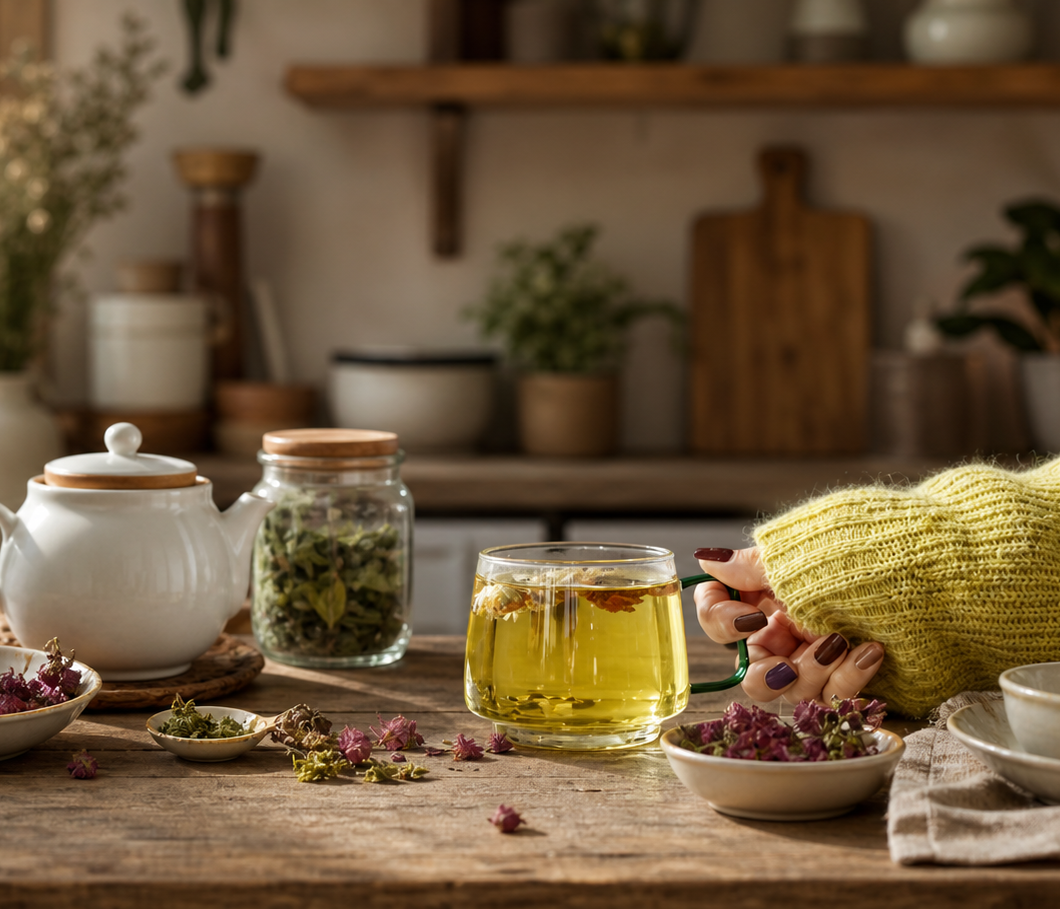
Fuchsia Tea Recipe
 Recipe by admin1
A gentle, caffeine-free herbal tea made with fennel, chamomile, mint, and a hint of ginger. This easy homemade drink is designed to support digestion, reduce bloating, and provide a calming effect, making it ideal for sensitive stomachs and daily wellness routines.
2
cups5
minutes7
minutes12
minutesIngredients
Water – 2 cups
Fennel seeds (saunf) – 1 teaspoon
Dried chamomile flowers – 1 teaspoon
Fresh mint leaves (pudina) – 4 to 5 leaves
Ginger – 1 small piece (optional, mild quantity)
Honey – 1 teaspoon (optional)
Lemon juice – a few drops (optional, based on tolerance)
Directions
- Pour water into a saucepan and place it over medium heat, allowing it to warm evenly.
- Add fennel seeds and chamomile flowers to the warming water to begin infusing the base.
- Add mint leaves and a small piece of ginger, keeping the quantity light to maintain a gentle flavor.
- Let the mixture simmer softly for about 5 to 7 minutes without bringing it to a strong boil.
- Turn off the heat and strain the tea into cups to remove all solids.
- Stir in honey if you prefer a touch of sweetness. Add a few drops of lemon juice only if it suits your digestion.
- Serve warm and enjoy as a calming beverage.


