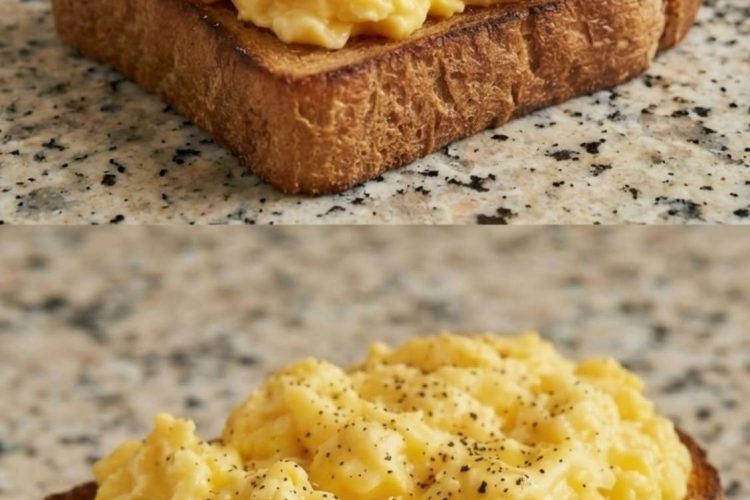
Making a good breakfast can feel hard when you are in a rush. When you want a quick meal that gives you energy and protein without taking a long time, learning to cook soft scrambled eggs is a great skill. This simple dish is perfect for early mornings, relaxed weekend brunches, or even a fast dinner after a long day at work.
Simple Ingredients You Already Have
The best part about homemade scrambled eggs is that they are very cheap and easy to make. You only need a few basic ingredients from your kitchen and less than five minutes at the stove. You do not need expensive kitchen tools or professional cooking skills to get a smooth texture that tastes just like a nice restaurant meal. By learning how to control your stove heat, anyone can turn basic eggs into a delicious meal.
Keep the Recipe Pure and Simple
Many people think that making great eggs requires complicated tricks or heavy cream. The real secret is just being careful with your cooking. This recipe focuses on the natural flavor of fresh eggs rather than hiding them under heavy cheese or artificial flavors. This keeps the dish tasting clean and light, making it match perfectly with almost any breakfast food on your table.
Why Adding a Little Liquid Helps
One reason this cooking method works so well is that it keeps the eggs moist. Adding a small splash of liquid, like dairy milk, plant milk, or even plain water, adds moisture. This moisture stops the egg proteins from tightening up too much while they heat. This keeps the eggs very soft while they cook, ensuring they do not become dry or rubbery.
The Importance of Low Cooking Heat
This cooking style relies on gentle heat rather than a very hot stove, which is the most common mistake people make. Using a low or medium-low heat setting allows the eggs to cook slowly. This forms large, beautiful ribbons of soft egg instead of tiny, dry, overcooked pieces. Cooking slowly gives you complete control so you can stop the heat at the exact moment the eggs are creamy.
Sourcing Fresh Ingredients for Better Flavor
Choosing fresh ingredients makes a huge difference in how your breakfast looks and tastes. Fresh eggs from the store or a local farm have bright golden yolks and firm whites that mix together perfectly. They cook much more evenly and have a deeper flavor than older eggs that have been sitting in the refrigerator for too long.
How Different Liquids Change the Eggs
The liquid you choose lets you change the richness of your eggs to fit what you like to eat. Regular milk adds a classic creamy taste, while unsweetened almond milk or other plant milks provide moisture without changing the flavor. Even plain water works great because it turns into steam during cooking, which helps puff the eggs up into light clouds.
Choosing Butter or Olive Oil
Your choice of cooking fat lets you add flavor while keeping the eggs from sticking to the pan. Using extra-virgin olive oil gives the dish a clean, light flavor and adds healthy fats to start your day. On the other hand, using good unsalted butter adds a traditional savory richness and a nice shine that makes the food feel extra comforting.
Simple Seasonings that Add Great Color
Finishing your prep work requires only a tiny bit of seasoning to bring out the natural taste of the eggs. Fine salt and cracked black pepper are traditional choices that should be used carefully to highlight the savory flavor. Scattering small pieces of fresh chives on top at the end adds a mild onion aroma and a pretty green color to the plate.
The Right Way to Whisk Eggs
Before your pan even touches the stove, you need to mix the eggs correctly to get a smooth texture. Crack your fresh eggs into a medium mixing bowl so you can check the quality and make sure no eggshells fall in. Whisking strongly at this step is important because you need to blend the yolks and whites until you see one solid color with no streaks left.
Blending Everything for a Smooth Base
Once the eggs are a solid yellow color, it is time to pour in your liquid and whisk them quickly one more time. This second mix ensures that the moisture spreads evenly through the whole liquid base. This directly changes how smoothly the eggs will fluff up when they hit the warm pan, preventing any tough spots from forming.
Finding the Best Nonstick Pan
The type of pan you use decides how evenly the heat spreads across the cooking surface. A small, high-quality nonstick skillet is the absolute best tool for this job because it keeps delicate eggs from tearing or burning. Lightly coating the cool pan with your olive oil or melting a little butter creates a safe barrier before the heat starts.
Warm the Pan Before Adding Eggs
It is important to let the pan warm up gently on medium heat instead of pouring your eggs into a completely cold skillet. Putting the mixed eggs onto a warm surface starts the cooking process gently right away. This simple step keeps the liquid from separating or sliding under the butter, making sure your eggs cook evenly from the start.
Let the Base Cook for a Moment
As soon as the yellow liquid goes into the warm pan, do not start stirring right away or cutting the eggs into tiny pieces. Let the mixture sit completely still for just a few seconds so the bottom layer can start to firm up against the oiled pan. This short pause helps create large, soft folds that hold moisture beautifully.
The Gentle Spatula Folding Method
Next, take a flexible rubber spatula and gently push the cooked outer edges of the egg toward the middle of the pan. This movement allows the raw liquid to flow out onto the warm pan surface so it can cook next. Keep doing this slow folding motion every few seconds while keeping the heat low so the eggs do not cook too fast.
Understanding Residual Heat Cooking
Knowing the exact second to take your pan off the stove is the most important part of cooking eggs. You must pull the pan away from the heat while the eggs still look a little wet, shiny, and slightly undercooked. Because the pan stays hot, a process called residual cooking will finish warming the eggs perfectly on your plate.
How to Avoid Tough and Rubbery Eggs
If you leave the pan on the hot stove until the eggs look completely dry, the remaining heat will make them overcooked. This mistake causes a tough, rubbery texture and makes the eggs leak water onto your plate, which ruins the meal. Moving the eggs to a plate right away keeps them creamy, soft, and very tender to eat.
Plating and Serving Your Breakfast
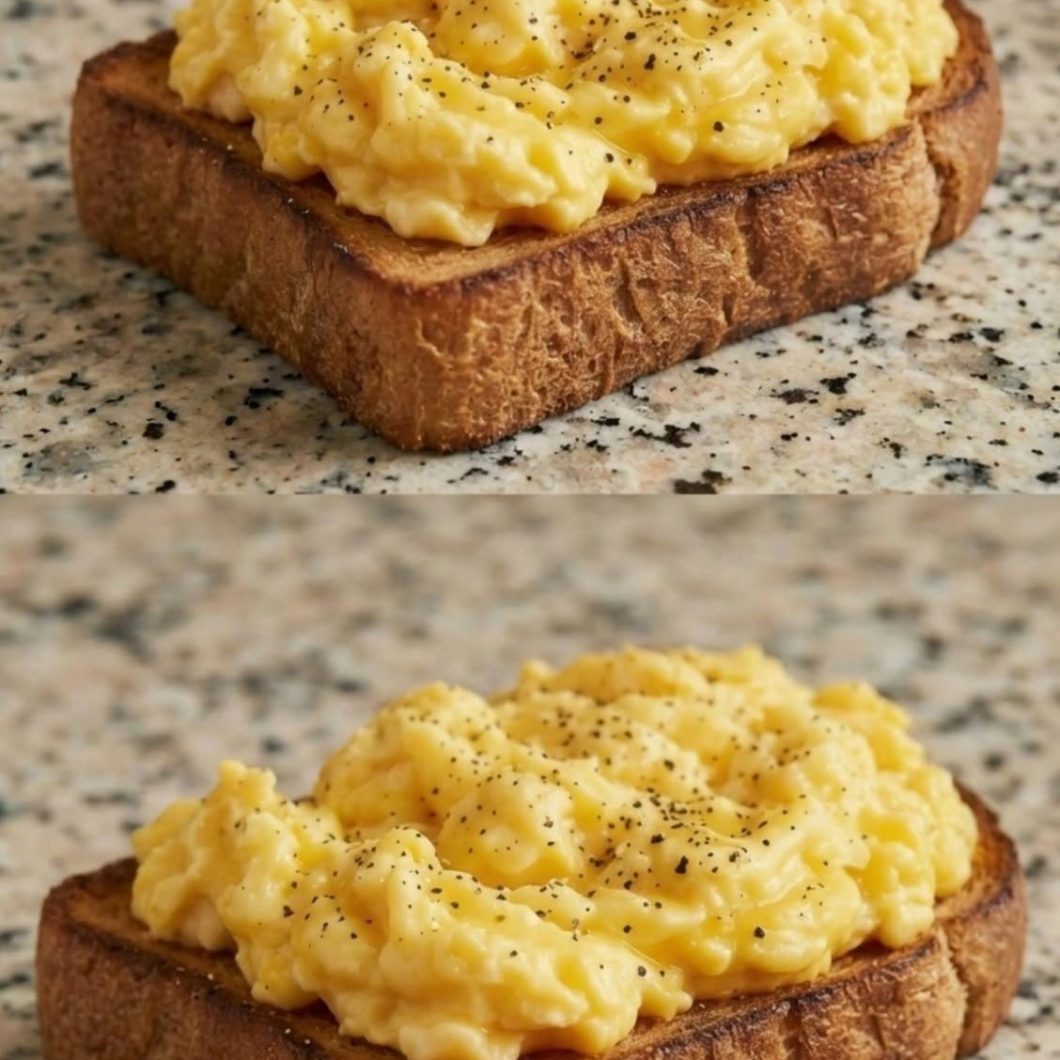
Once the eggs are safely on your plate, you can add your final pinch of salt, black pepper, and fresh chives to match your taste. The final texture is a perfect mix of light volume and rich creaminess that goes well with many other breakfast items. Whether you pile them on top of toast or wrap them in a warm tortilla, these eggs are deeply satisfying.
Adjusting the Recipe for Food Allergies
For people who have specific food sensitivities, this basic recipe is very easy to change without losing any quality. Swapping regular butter for healthy olive oil and using water or almond milk makes a completely dairy-free breakfast. The cooking steps stay exactly the same, proving that good texture comes from gentle heat rather than heavy dairy.
Great Side Dishes to Match Your Eggs
When deciding what to eat with your scrambled eggs, you have many great choices because the flavor of the eggs goes with almost anything. Crispy breakfast potatoes, warm slices of avocado, or a toasted bagel make excellent savory sides. If you want a balanced meal, serving these warm eggs with a side of cold, fresh fruit gives a wonderful contrast.
Why Everyone Should Know This Recipe
In the end, learning this simple five-ingredient method means you will always be able to make a fast, healthy, and delicious meal. It removes complicated cooking steps and focuses entirely on the joy of good ingredients handled with care and patience. Once you taste how soft and creamy these eggs are, your morning routine will change for the better.
Homemade Scrambled Eggs – Soft and Creamy
A simple way to make soft, creamy, and light scrambled eggs using basic ingredients. This easy method takes less than five minutes and gives you perfect results every single time.
2
minutes3
minutes182
kcal5
minutesIngredients
4 fresh eggs
2 tablespoons milk (or water, or plant milk)
1 tablespoon unsalted butter (or olive oil)
¼ teaspoon salt
2 grinds black pepper
Chopped fresh chives (optional, for garnish)
Directions
- Mix the Eggs: Crack the fresh eggs into a medium bowl. Add the milk, salt, and black pepper. Whisk hard until the yolks and whites are fully mixed into one yellow color with no streaks left.
- Melt the Butter: Put a small nonstick frying pan over medium heat on your stove. Add the butter and let it melt completely to coat the bottom of the pan.
- Pour the Eggs: Pour the mixed egg liquid into the warm frying pan.
- Wait Five Seconds: Let the eggs sit completely still for 5 seconds so the bottom starts to set.
- Fold Gently: Take a rubber spatula and slowly push the cooked eggs from the outside edges toward the center of the pan. This lets the raw egg run onto the hot pan to cook.
- Flip the Curds: After about 30 seconds, start gently folding the eggs over themselves. Do not stir fast in circles, or your eggs will become dry and crumbly.
- Turn Off the Stove: After about 60 seconds of total cooking time, when the eggs look pillowy but still a little wet and shiny, take the pan completely off the hot burner.
- Let Them Rest: Keep folding the eggs gently in the warm pan off the heat for 10 more seconds. The heat left in the pan will finish cooking them perfectly.
- Serve Immediately: Slide the soft eggs onto a plate or hot toast. Add extra pepper or fresh chives if you like, and eat right away.
Notes
- Use the Right Pan Size: A small 8-inch pan is best for 2 to 4 eggs. If your pan is too big, the eggs spread out too thin and dry out fast.
- Stir Slowly: Never chop or stir the eggs quickly. Slow, gentle movements create the softest, creamiest texture.
- Adding Cheese or Herbs: If you want to add cheese or extra herbs, fold them in at the very end after you take the pan off the heat. The heat of the eggs is enough to melt cheese safely.
Nutrition Facts
- Calories: 182kcal
- Fat: 14g
- Sodium: 473mg
- Carbohydrates: 1g
- Protein: 12g


