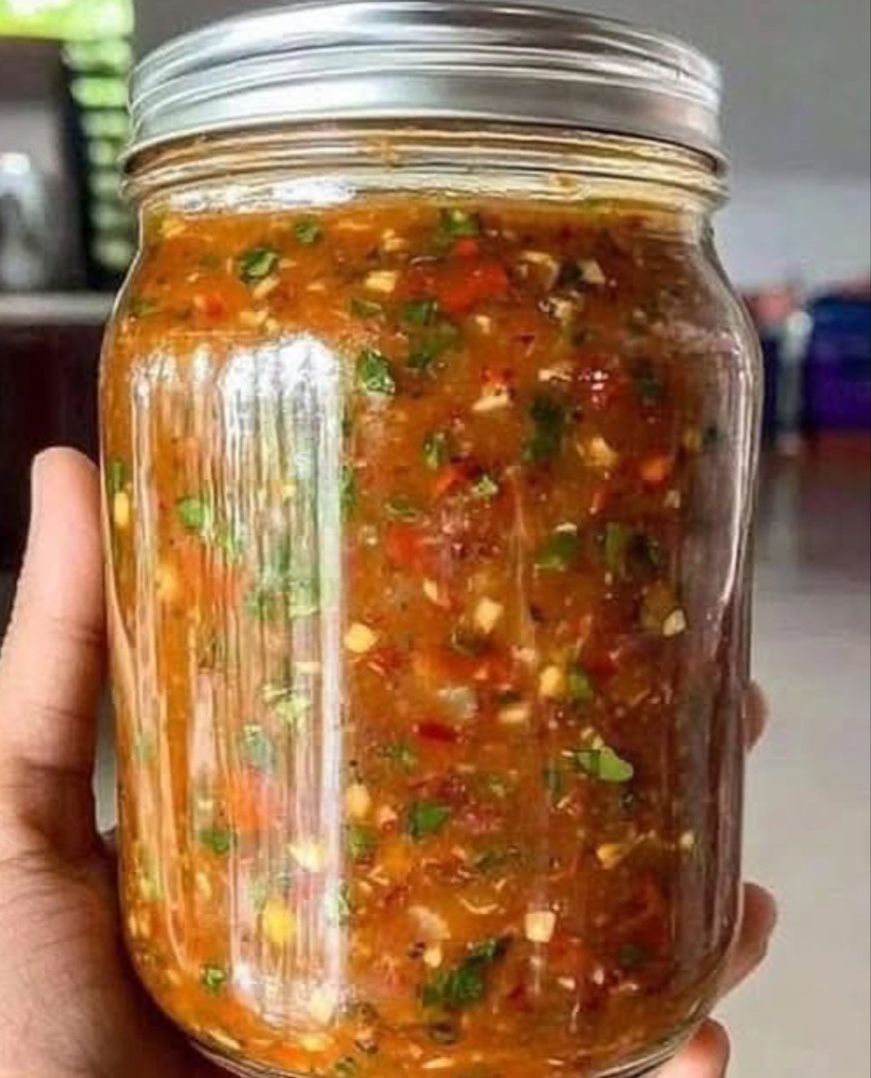
ULTIMATE SALSA PICANTE (DEEP, SPICY, RESTAURANT-STYLE)
This salsa picante is bold, layered, aggressively flavorful, and customizable from medium heat all the way to “why did I do this.” It’s inspired by traditional Mexican salsas but written for a home kitchen, using techniques that build complexity without fancy equipment. You can use it for tacos, eggs, grilled meats, roasted vegetables, chips, or straight from the spoon if you’re brave.
This recipe focuses on roasting, balancing acidity, managing heat, and building umami, which is what separates a flat hot sauce from a memorable salsa picante.
TIME & YIELD
Prep time: 25 minutes
Cooking time: 20 minutes
Blending & finishing: 10 minutes
Total time: about 55 minutes
Yield: about 3½ to 4 cups of salsa picante
INGREDIENTS (BASE VERSION)
Fresh Produce
- 10 medium ripe Roma tomatoes (about 2.5 lbs)
- 6 dried chile de árbol
- 3 dried guajillo chiles
- 2 dried ancho chiles
- 1 medium white onion
- 8 cloves garlic (unpeeled)
- 2 fresh serrano peppers
- 1 fresh jalapeño (optional but recommended)
- 1 small bunch fresh cilantro (stems included)
Liquids & Acids
- ¾ cup water (for soaking chiles)
- 2 tablespoons fresh lime juice
- 1 tablespoon apple cider vinegar (optional but adds brightness)
Oils & Seasoning
- 2 tablespoons neutral oil (vegetable, avocado, or grapeseed)
- 1½ teaspoons kosher salt (adjust later)
- ½ teaspoon ground cumin
- ½ teaspoon Mexican oregano (crushed between fingers)
- ¼ teaspoon smoked paprika
- ¼ teaspoon sugar (optional, for balance)
UNDERSTANDING THE CHILES
Chile de árbol: sharp, fast heat, slightly smoky, very spicy
Guajillo: mild heat, tangy, red-fruit notes
Ancho: deep, raisin-like sweetness, low heat
This combination gives you:
- upfront heat (árbol)
- body and color (guajillo)
- depth and richness (ancho)
If you skip this balance, your salsa will taste one-dimensional.
STEP 1: PREP AND TOAST THE DRIED CHILES
Remove stems from all dried chiles. Shake out most of the seeds, but don’t obsess. Seeds add bitterness and heat, but total removal isn’t necessary.
Heat a dry skillet over medium heat. Toast chiles in batches for 10–15 seconds per side. Do NOT burn them. If they turn black, they’re ruined and will taste bitter.
You’re looking for:
- puffing
- stronger aroma
- slight darkening
Immediately transfer toasted chiles to a bowl and cover with hot water. Let soak for 20 minutes until completely soft.
Reserve the soaking liquid.
STEP 2: ROAST THE VEGETABLES
Preheat oven to 425°F (220°C).
Place tomatoes, onion (cut in thick slices), serranos, jalapeño, and garlic (still in skins) on a baking sheet.
Drizzle with oil and toss lightly.
Roast for 20–25 minutes, flipping once halfway through, until:
- tomatoes are blistered and collapsing
- onion edges are charred
- peppers have blackened spots
- garlic is soft inside its skin
Remove from oven. Let cool slightly. Peel garlic once cool enough to handle.
This roasting step is where flavor is born. Do not rush it.
STEP 3: BLEND IN STAGES (DO NOT DUMP EVERYTHING AT ONCE)
Add to blender:
- roasted tomatoes
- onion
- peeled garlic
- serranos and jalapeño
- soaked chiles (start with half of them)
- ¼ cup chile soaking liquid
- salt
- cumin
- oregano
- smoked paprika
Blend until mostly smooth.
Taste. At this stage, it should taste:
- intense
- under-acidic
- slightly salty
Add remaining chiles if you want more heat and depth. Blend again.
Add lime juice and vinegar. Blend briefly.
Add cilantro last and pulse, not blend, so it doesn’t turn bitter.
Adjust salt slowly.
STEP 4: FRY THE SALSA
Heat 1 tablespoon oil in a saucepan over medium heat.
Carefully pour in blended salsa. It will splatter.
Cook for 8–10 minutes, stirring frequently, until:
- color deepens
- raw tomato taste disappears
- oil slightly separates on top
Taste again. Add sugar only if the salsa tastes sharp or acidic.
Turn off heat. Let rest 15 minutes before using.
Resting is not optional. Flavor settles and improves dramatically.
FINAL TEXTURE OPTIONS
- Chunky: pulse less, add chopped onion at the end
- Smooth: strain through a sieve (taquería style)
- Thick: simmer longer
- Pourable: add a bit of reserved chile water
HEAT LEVEL GUIDE
Mild: remove serrano seeds, use fewer árbol chiles
Medium: follow recipe exactly
Hot: add 2 more árbol chiles
Very hot: add árbol chiles plus 1 habanero
Dangerous: add habanero and keep all seeds
STORAGE
Refrigerator: up to 10 days in airtight container
Freezer: up to 3 months (flavor holds surprisingly well)
Flavor improves after 24 hours.
NUTRITION & CALORIES (APPROXIMATE)
Per 2 tablespoon serving:
- Calories: 12–15 kcal
- Fat: 0.6 g
- Carbohydrates: 2 g
- Fiber: 0.4 g
- Sugar: 1 g
- Protein: 0.3 g
- Sodium: depends on salt level
Entire batch:
- Calories: ~280–320 kcal total
This is a low-calorie, flavor-dense condiment.
COMMON MISTAKES (READ THIS)
- Burning dried chiles: instant bitterness
- Over-blending cilantro: metallic taste
- Skipping acid: flat flavor
- Not resting salsa: harsh and unbalanced
- Under-salting: salsa needs more salt than you think
FREQUENTLY ASKED QUESTIONS (FAQ)
Why does my salsa taste bitter?
Most likely causes are burned dried chiles, too many seeds, or over-blended cilantro. Toast chiles briefly and pulse herbs at the end.
Can I use canned tomatoes?
Yes, but roast them in the oven first to remove the canned flavor. Fresh is still better.
Is frying the salsa really necessary?
No, but it transforms the flavor. Raw blended salsa tastes brighter; fried salsa tastes deeper and more savory.
Can I make this without a blender?
Yes, but it will be rustic. Chop finely and mash soaked chiles with a mortar or spoon.
Why does restaurant salsa taste better?
They balance acid, salt, fat, and heat carefully, and often fry or rest the salsa before serving.
Can I reduce the heat without losing flavor?
Yes. Use fewer árbol chiles but keep guajillo and ancho for body.
Why is my salsa too thin?
Too much soaking liquid or under-roasted tomatoes. Simmer longer or blend in another roasted tomato.
Can I ferment this?
Yes. Skip vinegar, reduce salt slightly, and ferment 3–5 days before refrigerating.
Is this authentic?
It’s traditional-inspired, technique-correct, and flavor-honest. Authenticity varies by region and household.


